
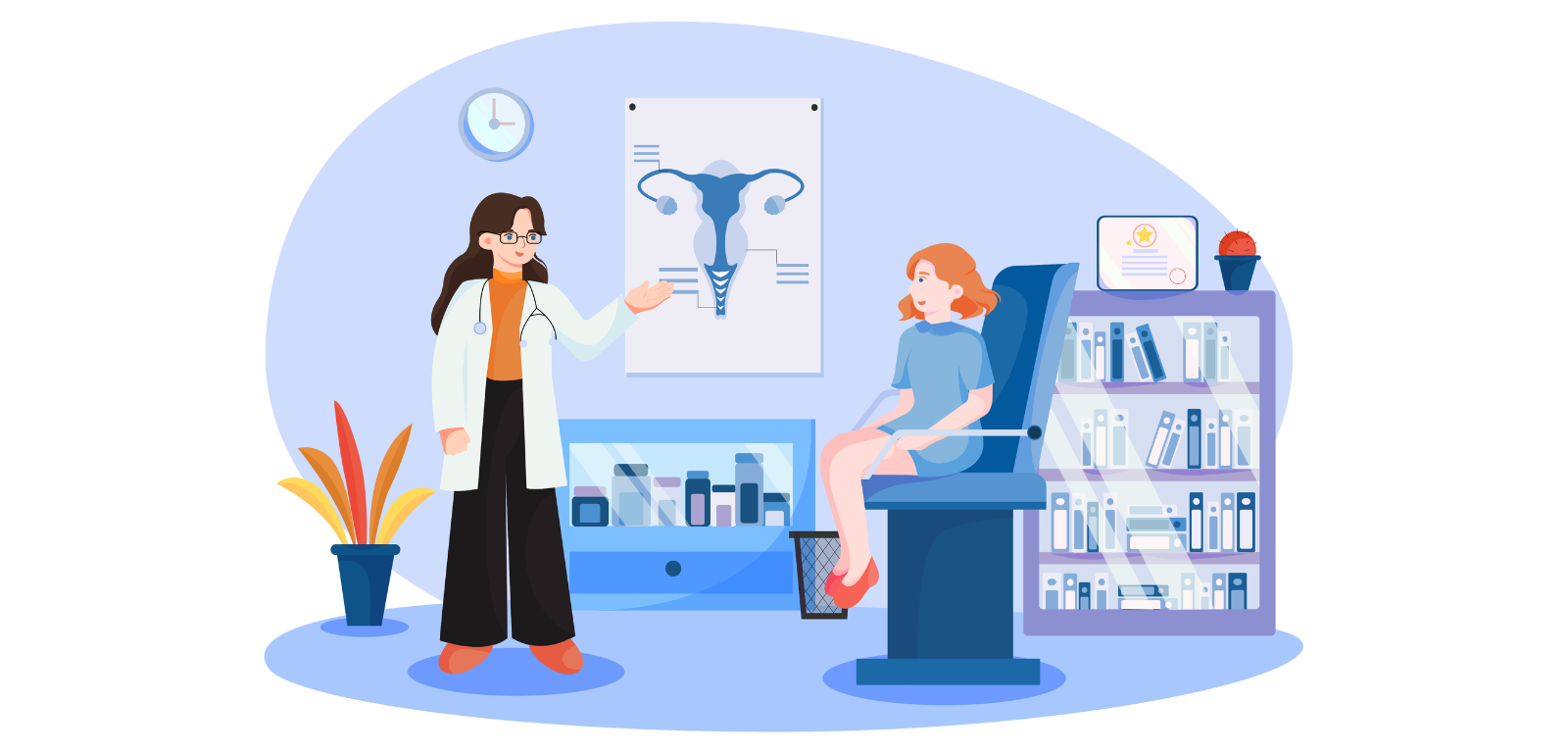
Ovulation is one of the key processes in the female reproductive system. It is a natural and vital phase of the menstrual cycle, during which a mature egg is released from the ovary and becomes available for fertilisation. This process plays a key role in determining a woman’s most fertile days and directly influences the chances of conception. Knowing what the ovulation period is can help individuals and couples plan or avoid pregnancy more effectively, while also offering insights into overall hormonal health.
Apart from fertility, ovulation also helps with the regularity of the menstrual cycle and impacts the overall health of the reproductive system. Understanding the ovulation cycle also helps with taking control of health choices and informing medical professionals of the issues in the reproductive system, if and when it is necessary. This guide will tackle the meaning of ovulation, its symptoms, when it occurs, how to calculate it and how it affects fertility.
Ovulation: The Meaning

Ovulation represents the event where a mature egg is released from one of the ovaries. The egg subsequently moves through the fallopian tube and into the uterus. If the egg meets the sperm, pregnancy can happen.
What is ovulation? It is the most fertile point in the menstrual cycle and the only point at which pregnancy can happen. Ovulation is 1 event that occurs in each menstrual cycle and is governed by the body’s hormones.
The Duration Of Ovulation?
What is the ovulation period? It is the short time frame during which an egg is present and can be fertilised. Once released, the egg can be fertilised for 12-24 hours. In contrast, sperm can live up to five days in the female reproductive tract. This opens a fertile window of about 5-6 days, which includes:
- The day of ovulation
- The 4–5 days before ovulation
Knowing this time frame is essential for maximising the chances of conception.
Ovulation Cycle: How the Process Works
The ovulation cycle is part of the menstrual cycle and includes four phases:
- Menstrual Phase: Shedding of the uterine lining
- Follicular Phase: Hormones stimulate egg development
- Ovulation Phase: Release of the mature egg
- Luteal Phase: Body prepares for pregnancy
Hormones such as estrogen, luteinizing hormone (LH), and progesterone regulate the ovulation cycle. In particular, a surge of LH is what triggers ovulation.
When Does Ovulation Occur?
When does ovulation occur? Ovulation typically takes place around the middle of the menstrual cycle.
- Your cycle is typically 28 days long. Ovulation typically occurs around the 14th day.
- Your cycle may be longer or shorter. Ovulation timings shift accordingly.
Most times, ovulation occurs 12-16 days before the next period. However, the 14-day rule does not apply to everybody.
How to Calculate Ovulation Day?
This will help find the ovulation period, the most fertile days.
- Calendar Method
This is done by recording a few sets of your menstrual cycles.
- Take the cycle with the most days, and subtract 14.
- From here, you can figure out the ovulation day.
- Ovulation Predictor Kits
These can be expensive, but with their ability to accurately track ovulation by detecting the LH surge in the urine; it’s worth it.
- Basal Body Temperature
This is done by charting the body temperature. The temperature increases slightly after ovulation, but it only helps you confirm ovulation – predicts only after it occurs.
- Cervical Mucus Observation
This is done by detecting an increase in clear, stretchy, and egg-white like mucus.
Using a combination of these methods helps find the ovulation day.
Signs of Ovulation
These help in tracking the fertility during the ovulation period. These can be:
- Increasing cervical mucus
- Mild pelvic or lower abdominal pain
- Heightened sense of smell
- Increased libido
- Breast tenderness
Natural and personal. These indicators can vary to some degree.
Ovulation Symptoms to Monitor
Ovulation Symptoms can be hormonal or physical in nature and can vary greatly. Some women may have very visible symptoms, whereas others may have very few indicators.
These include, but are not limited to:
- Clear, slippery vaginal discharge
- Bloating that is mild in nature
- Light bleeding.
- Variable emotions
- A slight increase in body temperature
Being aware of these indicators can help in more accurately determining which days are fertile.
Ovulation Pain: Should You Be Worried?
Ovulation pain (also called mittelschmerz) is when there is a slight, achy, or sharp pain that can be felt on one of the lower sides of the belly. It happens after the ovary has released the egg and is generally entirely normal.
Ovulation pain can:
- Be on either side, but is primarily only on one side
- Comes and goes in a few-minute intervals
- Lasts a few hours, and is rarely more than that
If there happens to be more than a slight pain or the pain continues for a long period of time, then be sure to speak with a fertility expert.
Ovulation Day: How To Know For Sure
If you are asking yourself how to know ovulation day, then the best thing to do is combine these:
- Track the length of your cycle
- Look for ovulation symptoms
- Monitor and track the cervical mucus
- Use ovulation prediction kits
Women who have cycles that are very irregular can speak with a doctor in order to be guided and to get ultrasounds to assist in the process.
Ovulation and Fertility: The Connection
Fertility is something that is directly affected by ovulation, because there is no such thing as natural conception without ovulation.
Ovulation issues may involve:
- Irregular ovulation.
- Anovulation.
- Hormonal irregularities.
- PCOS or thyroid problems.
Knowing how the ovulation cycle works helps identify potential fertility issues and get treatment early.
Typical Disorders of Ovulation
Some women have disorders related to ovulation that compromise their fertility. These include:
- Polycystic Ovary Syndrome
- Hypothalamic dysfunction
- Primary ovarian insufficiency
- Elevated prolactin
Early detection can lead to a better fertility prognosis.
Ovulation and Lifestyle
Some of the lifestyle factors that affect ovulation include:
- The amount of stress you have.
- Exercising too much.
- Poor diet.
- Obesity or being underweight.
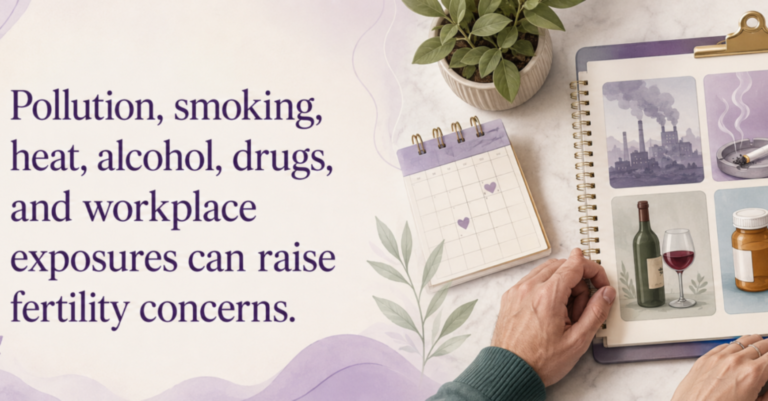
- Smoking or drinking.
Living a more balanced lifestyle can help promote a healthy ovulation cycle.
Ovulation and Age: What Changes with Age
As women get older:
- Ovulation starts to become more and more irregular
- Quality of eggs starts to drop
- Overall fertility starts to decrease
Women who are over the age of 35 may benefit from a professional fertility evaluation to get a better idea of how their ovulation is.
Help with Ovulation Disorders
Some fertility options are available, as long as there is irregular or absent ovulation, such as:
- Ovulation induction with medication.
- Hormonal treatments.
- Ultrasound tracking.
- Assisted reproductive technologies.
Success rates can be improved with customised solutions.
Also Read: Top 5 Ways To Increase Your Ovulation Naturally
Why Select Zeeva Fertility Center
Choosing Zeeva Fertility for ovulation-related queries ensures expert care, accurate diagnosis, and personalised guidance throughout your fertility journey. The center combines medical expertise with a compassionate approach to help patients understand and manage ovulation concerns effectively.
Key reasons to select Zeeva Fertility Center:
- Experienced fertility specialists with in-depth knowledge of ovulation disorders
- Advanced diagnostic facilities for precise ovulation tracking and hormonal evaluation
- Personalized treatment plans tailored to individual fertility needs
- Transparent counselling and clear explanation of ovulation cycles and treatment options
- Supportive, patient-focused care in a comfortable and trusted environment
With evidence-based treatments and holistic support, Zeeva Fertility Center empowers individuals and couples to make informed decisions and improve their chances of achieving healthy conception.
Final Words
In conclusion, understanding the ovulation period is a vital step toward better reproductive health and informed fertility planning. By recognising ovulation symptoms, accurately calculating fertile days, and seeking timely medical guidance, individuals can take greater control of their fertility journey. Expert support from a trusted fertility centre further ensures clarity, confidence, and effective care. With the right knowledge and professional assistance, managing ovulation concerns becomes simpler, empowering individuals and couples to move forward with hope and informed decision-making.
Frequently Asked Questions
1. Can ovulation occur without regular periods?
Ans. Yes, ovulation can still occur in women with irregular periods, but it may be unpredictable, making cycle tracking more challenging.
2. Does ovulation happen on the same day every month?
Ans. No, ovulation timing can vary each cycle due to stress, lifestyle changes, hormonal imbalance, or health conditions.
3. Can you feel ovulation pain every cycle?
Ans. Some women experience ovulation pain (mittelschmerz), while others may never feel it. Its presence and intensity can vary.
4. Is it possible to ovulate more than once in a cycle?
Ans. Typically, ovulation occurs once per cycle, but in rare cases, multiple eggs may be released within 24 hours.
5. Do ovulation predictor kits guarantee pregnancy?
Ans. Ovulation kits help identify fertile days but do not guarantee pregnancy, as successful conception depends on multiple factors.
0 Comments
Join the conversation