
Every menstrual cycle contains many different phases, all of which are integral to our reproductive and overall health. One of the more significant but often neglected phases is the luteal phase. This is the phase that comes after ovulation and prepares the body for a possible pregnancy. Any imbalance during this phase affects how regulated the cycle is, how implantations are conducted, and how overall fertility can be. If a woman were able to understand all the indicators of her cycles, it would be able to assist her more in identifying menstrual health concerns. It is also important to implement and understand the luteal phase of the cycle in case the woman is trying to get pregnant, for hormonal balance and overall reproductive health.
What is the Luteal Phase

To be able to answer the question of what luteal phase is, it is important to be able to answer what hormonal changes take place post-ovulation. As it concerns the menstrual cycle, the luteal phase is the second half of the cycle, which occurs after an ovary has released its egg, and this lasts until the advent of menstruation.
During this time, the follicle that ruptured turns into the corpus luteum, which secretes progesterone. This hormone causes uterine lining thickening that will help sustain a possible pregnancy. If no implantation occurs, the progesterone level will decrease, and the next menstruation will occur.
Luteal Phase Meaning
The luteal phase meaning can be explained as the preparation stage that your body goes through for pregnancy. To ensure that the uterus is primed for implantation, there needs to be a dominance of progesterone during this phase. The luteal phase is pivotal when it comes to the safeguarding of the early stages of pregnancy and the adequate supply of hormones.
What Is the Luteal Phase Of The Menstrual Cycle?
The luteal phase of the menstrual cycle can be simply described as the interval that occurs between ovulation and the commencement of the subsequent menstrual cycle. This stage lasts for around eleven to fourteen days in most women, regardless of the entire cycle duration.
Unlike the follicular phase, which can be quite varied, the luteal phase tends to be much more consistent.
Length of the Luteal Phase
Your normal luteal phase typically lasts:
- 12-14 days
But variations do happen:
Short Luteal Phase: A short luteal phase occurs when the luteal phase lasts less than 10 days. This might not give the uterine lining enough time to support implantation, which may affect fertility.
Long Luteal Phase: A long luteal phase occurs when the luteal phase lasts longer than 16 days. This may be related to hormonal imbalance, missing periods, or early pregnancy.
Symptoms of Luteal Phase
Luteal phase brings noticeable and visible changes. Luteal phase symptoms include:
- Tenderness in the breast
- Abdominal bloating
- Fatigue
- Swinging of mood or irritability
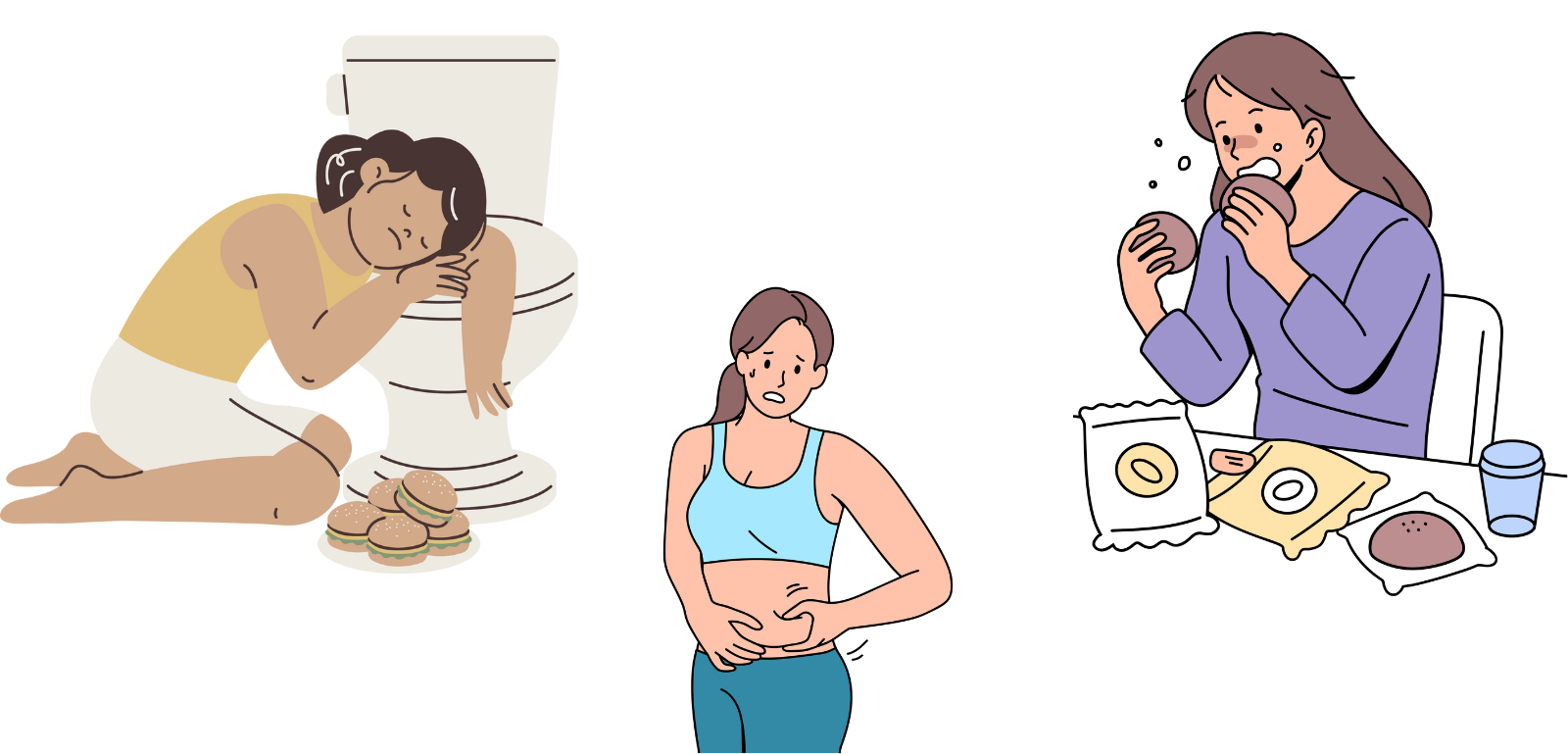
- Craving for food
- Mild discomfort in the pelvis
The symptoms come from rising levels of progesterone and are completely normal unless they are severe.
Discharge during the Luteal Phase
Luteal phase discharge typically becomes thicker, creamier, or excessively sticky after ovulation. This is caused by the dominance of progesterone and is a sign that the fertile window is ending. Coming off of the fertile window, dry discharge is common as well as a natural body focus on maintaining a possible pregnancy.
Difference Between Follicular Phase and Luteal Phase
Recognizing the difference between follicular phase and luteal phase clarifies the workings of the menstrual cycle.
| Aspect | Follicular Phase | Luteal Phase |
|---|---|---|
| Timing | Before Ovulation | After Ovulation |
| Hormone | Estrogen Dominant | Progesterone Dominant |
| Function | Egg Maturation | Uterine Preparation |
| Duration | Variable | Relatively Fixed |
Both phases are critical for a healthy cycle.
Why the Luteal Phase Matters
The luteal phase serves in:
- Successful Implantation
- Hormonal Regulation
- Maintenance of Regular Menstrual Cycles
- Support of Early Pregnancy
The phase is healthy means that the uterus is primed to receive and sustain a fertilized egg in the luteal phase.
What Is a Luteal Phase Defect?
A luteal phase defect arises when there is too little progesterone or the luteal phase is too short to sustain viable implantation. This condition can manifest as:
- Challenges in Conception
- Early Pregnancy Loss
- Irregular Menstrual Cycles
The causes are many and can include hormonal imbalance, thyroid conditions, too much stress, significant exercise, and PCOS.
Signs of a Luteal Phase Defect
Some signs are:
- Menstrual cycle lengths that are shorter than 25 days
- Having a spotting episode prior to the start of the menstrual flow
- Having a pregnancy that you are not able to keep
- Having a low amount of progesterone
Diagnosing the condition early will help in giving the effective treatment needed.
Diagnosis of Luteal Phase Issues
Diagnosis can be done by:
- Orders for blood to check progesterone amounts.
- Keeping a calendar to monitor cycle activity
- Performing ultrasound assessments
- (In specific cases) Evaluating the endometrium.
Treatment and Management of Luteal Phase Problems
Treatment is guided by the cause of the condition and may involve:
- Addition of progesterone
- Change in lifestyle habits and managing stress
- Addressing the imbalances in the thyroid or other hormones
- Providing assistance with infertility if needed
Can Luteal Phase Length Be Improved?
In plenty of cases, the answer is yes. Having proper nutrients in the diet, balanced physical activity, and good quality sleep, as well as proper medical treatment, will be able to better help normalise a short luteal phase and better the cycle overall.
Luteal Phase and Fertility Outcomes
Having a healthy luteal phase is an essential part of having a successful pregnancy and the ability to conceive. Progesterone is a needed hormone, and if deficient, the embryo may not be able to implant even when ovulation is successfully achieved.
Why Choose Zeeva Fertility for Luteal Phase Concerns
Zeeva Fertility offers specialised care for women facing luteal phase-related hormonal and fertility issues. With a patient-first approach, the center focuses on accurate diagnosis and personalised treatment to restore cycle balance and improve conception outcomes.
Why Zeeva Fertility stands out:
- Experienced fertility specialists with expertise in hormonal disorders
- Advanced hormonal testing and cycle monitoring
- Individualised treatment for luteal phase defect and progesterone imbalance
- Evidence-based medical and lifestyle guidance
- Compassionate counselling and continuous patient support
At Zeeva Fertility, every woman receives comprehensive, ethical, and goal-oriented care to support long-term reproductive health and fertility success.
Also Read: How to Increase Progesterone to Get Pregnant Naturally?
Conclusion
The luteal phase is an integral part of the menstrual cycle when the body is prepared for the implantation of the embryo, the equilibrium of hormones, and for the body to sustain and support a very early pregnancy. By learning the luteal phase meaning, learning the symptoms of the luteal phase, and knowing how to tell the difference between a short luteal phase and a long luteal phase, women can perform possible self-screening.
Early and accurate diagnosis and treatment of the symptoms of luteal phase defect and other similar conditions are the best path to problem resolution. Knowing what is luteal phase of the menstrual cycle is can help women improve their reproductive health. Together, awareness, cycle tracking, and professional support create sustainable menstrual and fertility health.
Frequently Asked Questions
Q1. Does age affect the quality of the luteal phase?
Ans. Yes, as women age, progesterone production may gradually decline, which can weaken the luteal phase. This is one reason fertility naturally decreases with age, even when ovulation still occurs regularly.
Q2. Can travel or disrupted sleep impact the luteal phase?
Ans. Frequent travel, jet lag, and irregular sleep patterns can disrupt hormonal rhythms. This may temporarily shorten or delay the luteal phase by affecting progesterone release and overall cycle regulation.
Q3. Is spotting during the luteal phase always abnormal?
Ans. Occasional light spotting can occur due to hormonal shifts, but consistent spotting before periods may signal low progesterone and should be medically evaluated.
Q4. Can certain medications interfere with the luteal phase? <H3>
Ans. Yes, some medications, especially those affecting hormones, stress response, or thyroid function, can indirectly influence progesterone levels and luteal phase stability.
Q5. Does luteal phase health affect PMS severity?
Ans. Absolutely. An imbalanced luteal phase can intensify premenstrual symptoms such as mood changes, fatigue, and bloating, while a stable luteal phase often results in milder PMS.





0 Comments
Join the conversation