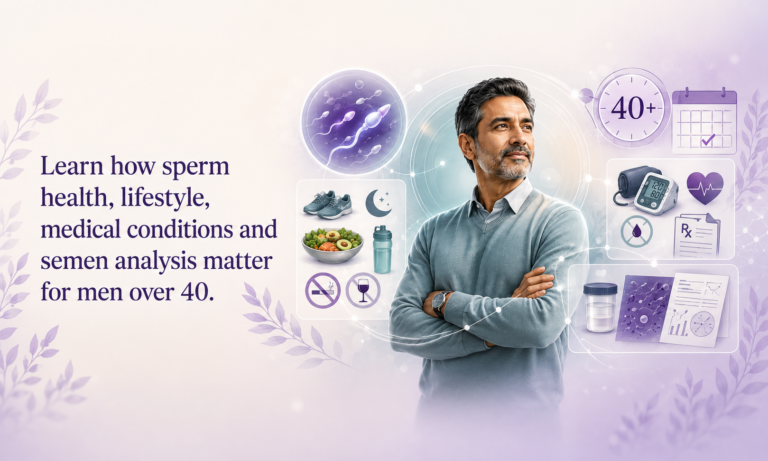
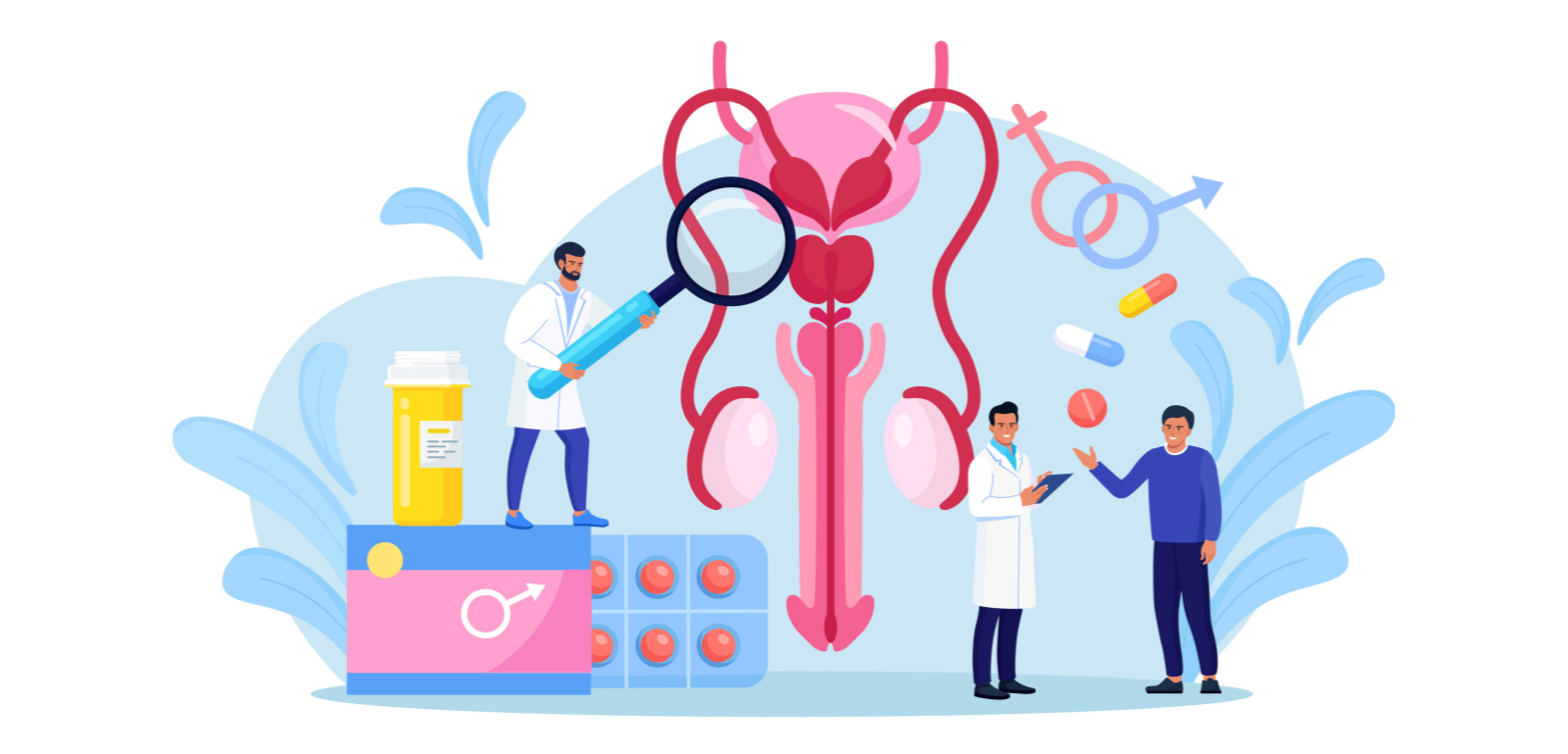
Teratozoospermia is a form of male infertility caused by malformed sperm, which can hinder fertilization, even when sperm counts are normal. It is detected via semen analysis and can be classified into mild, moderate, or severe. Significant cause factors are genetics, unhealthy lifestyle, infections, varicocele, and hormonal imbalance. Management is based on adjustments to lifestyle, medical treatment, and assisted reproductive techniques such as IVF or ICSI. Although it is not possible to completely cure Teratozoospermia, positive and consistent treatment will lead to remarkable benefits to sperm morphology and overall fertility, along with healthy habits.
Introduction
Infertility in males is a growing concern, accounting for almost 40–50% of all infertility cases in couples. Of all sperm issues, teratozoospermia is perhaps the most underappreciated, although it can be treated. Knowing the teratozoospermia meaning is key in understanding its causes, symptoms, and available treatment, as well as helping men take the first crucial step to improve fertility and healthy reproductive functioning.
What is Teratozoospermia?
Teratozoospermia is a male fertility condition characterized by a high percentage of abnormally shaped sperm. In healthy semen, most sperm have an oval-shaped head, a well-defined midpiece, and a long tail that enables proper movement toward the egg. However, in teratozoospermia, many sperm display irregularities, such as misshapen heads, double tails, or midpiece defects, that interfere with their ability to swim efficiently or penetrate an egg.
In simpler terms, teratozoospermia means that while a man may have a normal sperm count, the shape (morphology) of his sperm is abnormal, making natural conception more difficult. The greater the proportion of misshapen sperm, the lower the chances of successful fertilization.
How is Teratozoospermia Diagnosed?

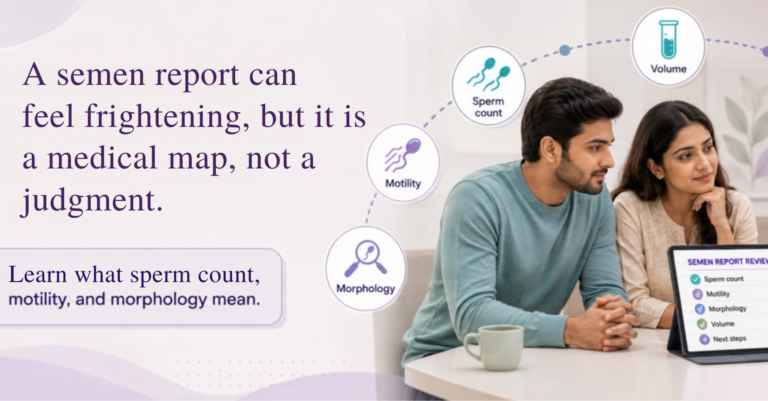
The most common means of diagnosing Teratozoospermia is a semen analysis, which is a lab test that assesses the sperm count alongside its motility and morphology. In India esp, most normal diagnostic / pathology labs do not check teratozoospermia correctly as per Strict Krugers criteria as per WHO and morphology is reported as 80-90% while WHO clearly mentions that sperm morphology is usually around 4% only, when it’s considered as normozoospermia.
So, it’s important to do semen testing from reputed Andrology labs else couples are told they have “unexplained “ infertility while teratozoospermia may be a contributing reason. Sperm parameters keep fluctuating, so any report is considered abnormal or concerning only if 2-3 reports show a “persistent “ abnormality else they fluctuate normally. Very severe persistent teratozoospermia would need IVF / ICSI treatment.
At times, the person would get the:
- Mild Teratozoospermia: 3–4% normal sperm
- Moderate Teratozoospermia: 1–2% normal sperm
- Severe Teratozoospermia: less than 1% normal sperm
Causes of Teratozoospermia
Causes of teratozoospermia are numerous, but can mainly fall under genetic, environmental, lifestyle, medical.
1. Genetic Factors
- Defective sperm development can occur due to mutated and poorly arranged DNA.
- Some male descendants have morphologically irregular sperm due to inherited defective genes.
2. Lifestyle Factors
- Substance abuse (smoking, alcohol, illegal drugs) harms sperm.
- Extended periods of heating (saunas, tight underwear, and laptop) can harm sperm production, also called thermal damage.
- Testosterone levels are lower with stress and poor sleep and ultimately harm sperm.
3. Nutritional Deficiencies
- Poor nutritional coverage of zinc, selenium and antioxidants can cause morphologically abnormal sperm.
- A diet with lower levels of vitamin C and E results with unregulated oxidative stress and damaged DNA in sperm.
4. Infections
- STIs and chronic prostatitis, which is the inflammation of the prostate, can negatively impact the quality of a man’s sperm.
5. Varicocele
- Varicocele is the enlargement of the veins in the scrotum, which can raise the surrounding temperature and negatively affect sperm production and quality.
6. Exposure to Toxins
- Teratozoospermia can be caused by exposure to pesticides, industrial chemicals, and heavy metals such as lead and cadmium.
7. Hormonal Imbalance
- Sperm development can be disrupted by low testosterone or high estrogen levels, which can lead to malformed sperm.
Teratozoospermia Symptoms
Perhaps the most difficult aspect of diagnosing teratozoospermia is the fact that there are often no symptoms. Most men find out about it during a fertility workup. Nonetheless, the most common teratozoospermia symptoms that might indicate some problems in the reproductive system are as follows:
- Difficulty in conceiving a child during regular, unprotected sex
- Changes in semen volume, or semen of varying consistencies
- Decreased sex drive or impotence, in the case of hormonal imbalance
- Testicular pain or swelling, if it is due to varicocele or an infection
- Fatigue or other hormonal symptoms, such as low energy and mood swings
In cases where 12 months of unprotected sexual intercourse has failed to result in pregnancy, it is recommended that both partners have a fertility check-up. In men, this includes a semen analysis.
Can You Get Pregnant with Teratozoospermia?
Yes, it’s possible, but it depends on the severity of the condition
Men with teratozoospermia of mild or moderate severity are able to conceive naturally, provided the motility and count of the sperm are normal. If the teratozoospermia is severe, however, assisted reproductive technologies (ART) like IVF (In Vitro Fertilization) or ICSI (Intracytoplasmic Sperm Injection) are the next best options.
In ICSI, the poor sperm morphology is compensated for by the method’s design, which involves picking one healthy sperm and injecting it directly into the egg, thereby boosting the odds of successful fertilization.
Teratozoospermia Treatment Options
The good news is that teratozoospermia treatment is available and can greatly improve the quality of sperm and one’s fertility outlook. Treatment varies based on the reasons for the condition, any potential lifestyle changes, and the range of sperm abnormalities.
1. Lifestyle Modifications
Minimal lifestyle changes can help improve sperm morphology and function:
- Stop smoking, and drink alcohol only in moderation.
- Stay away from excess heat and toxins in the environment.
- Exercise regularly to keep your weight in the healthy range.
- Reduce stress with meditation, yoga, or deep breathing exercises.
- Get sufficient sleep (7–8 hours each night).
2. Balanced Nutrition and Teratozoospermia Diet
To improve sperm morphology, it is important to implement a diet that is centred around controlling teratozoospermia. A teratozoospermia diet comprises protective antioxidants, and other biomolecules and nutrients that combat oxidative damage.
Recommended foods:
- Zinc-rich foods: Sperm quality is helped by pumpkin seeds, cashews, and various seafood.
- Vitamin C and E: Sperm health is enhanced with citrus fruits, almonds, and sunflower seeds.
- Omega-3 fatty acids: Fish, walnuts, and flaxseeds are important as they improve the fluidity of sperm membranes.
- Folate and selenium: Sperm formation is helped by leafy greens, eggs, and whole grains.
- Hydration: In order to maintain optimal semen consistency, water should be drank daily in sufficient amounts.
Refrain from consuming fried foods, processed meats, sugary drinks, and large amounts of caffeine.
3. Medical Treatments
Targeted medical treatment can help when teratozoospermia is associated with underlying medical conditions.
- Antibiotics: They can be prescribed when infections such as STIs or prostatitis occur.
- Surgery: To improve blood flow to the testes, a varicocele can be surgically corrected.
- Hormone therapy: This is applicable in cases of hormonal imbalances such as low testosterone or thyroid dysfunction.
- Antioxidant supplements: CoQ10, L-carnitine, or vitamin E are prescribed to improve sperm quality.
4. Assisted Reproductive Techniques (ART)
In cases where a couple doesn’t conceive after exhausting medical and lifestyle alternatives ART may become an option:
- IUI (Intrauterine Insemination): Processed sperm is introduced into the uterus to augment the likelihood of fertilization.
- IVF (In Vitro Fertilization): Embryo creation occurs outside the body, followed by transferring the embryo to the uterus.
- ICSI (Intracytoplasmic Sperm Injection): Mainly used for severe cases of teratozoospermia, a single sperm is injected into the ovum.
Teratozoospermia and Male Health
Despite the fact that teratozoospermia impacts fertility the most, it may indicate potential other health complications such as oxidative stress and hormonal imbalance, or lifestyle diseases. Men with a teratozoospermia diagnosis also require:
- Hormone assessment (testosterone, LH, FSH)
- An abdominal ultrasound to check for varicocele and other obstructions
- And, in recurrent severe cases, checking of the family tree (genetic testing)
Resolving any of these health issues will improve fertility and general health.
Can Teratozoospermia Be Cured?
There is no definite answer because there is no definitive “cure” for teratozoospermia, however, there are treatments for teratozoospermia. In most cases, patients will start to see significant change with sperm morphology and overall health improvements in 3-6 months after the recommended diet, lifestyle changes, and medications. Recovery is influenced by age, general health, and most importantly, adherence to the prescribed treatment. Consistency is important, especially since it takes around 74 days for sperm to fully mature, and therefore, any positive lifestyle changes will take several months to fully reflect in the quality of semen.
Sample Diet Plan for Teratozoospermia
Here is a daily teratozoospermia diet plan example aimed at improving fertility:
- Breakfast: Fruits, flaxseeds, nuts, and oatmeal
- Morning snack: Almonds or freshly squeezed orange juice
- Lunch: Grilled fish or paneer with dal, brown rice, and leafy greens
- Afternoon snack: Green tea with walnuts or pumpkin seeds
- Dinner: Salad, curd, and lentils with quinoa or a whole wheat roti
- Bedtime: Warm milk with a few soaked raisins or turmeric
The diet contains a good amount of proteins, micronutrients, and other antioxidants essential in sperm formation.
Preventing Teratozoospermia
The old maxim “an ounce of prevention is worth a pound of cure” holds for men to avoid “an ounce of prevention” for the following actionable items.
- Avoid smoking, drinking, and using recreational drugs.
- Engage in regular physical activity and avoid excess body weight.
- Limit exposure to high temperatures and radiation.
- Consume a diet rich in nutrients and antioxidants.
- Practice stress management.
- If the objective is to conceive, there should be regular check-ups and semen analysis.
Also Read: How to improve male fertility
Conclusion
Teratozoospermia indicates abnormal sperm morphology. It is one of the reasons for infertility in men. Fortunately, it is not irreversible and can be positively impacted by lifestyle changes, a healthy therapeutic diet for teratozoospermia, and when needed, medication. With the right male infertility treatment, many men can improve sperm quality and fertility outcomes.
There is every possibility for these men to conceive naturally or by assisted means when there is a proper diagnosis, therapy, and willingness to tackle the condition. In the modern world, awareness of teratozoospermia symptoms, causes, and treatment can be pivotal in safeguarding male fertility and laying the groundwork for a healthy family.
Frequently Asked Questions
Q1. What is the main cause of teratozoospermia?
Ans. The main cause of teratozoospermia, abnormal sperm shape and structure, varies but often includes genetic defects, oxidative stress, infections, varicocele, exposure to toxins, or unhealthy lifestyle habits like smoking, alcohol, and poor diet. Hormonal imbalances and testicular damage can also affect sperm morphology. Identifying the underlying cause through semen analysis helps determine the most effective treatment for improving sperm quality.
Q2. Can infection cause teratozoospermia?
Ans. Yes, infections in the male reproductive tract, such as prostatitis, epididymitis, or sexually transmitted infections (STIs), can cause teratozoospermia. These infections can lead to inflammation, oxidative stress, and DNA damage in sperm, resulting in abnormal shapes. Early diagnosis and treatment of infections through antibiotics and anti-inflammatory medications can help improve sperm morphology and overall fertility outcomes.
Q3. Does teratozoospermia affect fertility?
Ans. Yes, teratozoospermia can impact fertility, as abnormally shaped sperm may struggle to swim efficiently or penetrate an egg for fertilization. However, many men with this condition can still father children naturally or with assistance through fertility treatments like IUI or IVF with ICSI, where the healthiest sperm are selected. The degree of abnormality determines its actual effect on fertility.
Q4. Is teratozoospermia a genetic problem?
Ans. In some cases, teratozoospermia can be genetic. Mutations affecting sperm development, chromosomal abnormalities, or inherited conditions can lead to persistent sperm deformities. However, environmental factors, stress, or hormonal issues are also common causes. Genetic testing may be recommended if the condition is severe or recurrent, especially before planning assisted reproductive treatments like IVF or ICSI.
Q5. Which doctor to consult for teratozoospermia?
Ans. Men diagnosed with teratozoospermia should consult an andrologist or a fertility specialist (urologist specializing in male infertility). These doctors perform semen analysis, hormonal tests, and imaging studies to identify causes and recommend treatment. In fertility clinics, reproductive endocrinologists and embryologists also play a key role in planning advanced treatments like IVF or ICSI for affected couples.
Q6. What is the best treatment for teratozoospermia?
Ans. The treatment for teratozoospermia depends on its cause. Lifestyle changes, like quitting smoking, a balanced diet, reducing stress, can improve sperm health. Medical options include antioxidant therapy, hormonal balance treatments, or surgery for varicocele. For severe cases, assisted reproductive techniques like IVF or ICSI are highly effective, as they enable fertilization using morphologically normal, healthy sperm. Regular follow-up with a fertility specialist is essential.