Voices of Hope : PMOS treatment and Fertility Care
Get personalised, evidence-based care for irregular periods, hormonal imbalance and fertility concerns with Zeeva Fertility specialists.
What Is PMOS (Previously Known as PCOS)?
Polyendocrine Metabolic Ovarian Syndrome (PMOS) is the new name for the condition previously known as Polycystic Ovary Syndrome or PCOS. The updated name reflects that this condition affects more than just the ovaries—it can influence hormones, ovulation, menstrual cycles, metabolism, skin, hair and emotional well-being.
Women with PMOS may have irregular ovulation, increased androgen levels or changes in ovarian follicle patterns. However, not every woman has the same symptoms, and the presence of ovarian “cysts” is not necessary for diagnosis.
PMOS is a long-term health condition, but with the right medical guidance, its symptoms, fertility concerns and future health risks can be effectively managed.
Common Symptoms of PMOS and When to Seek Help
PMOS can present differently in every woman. Some may experience noticeable symptoms, while others discover the condition only when they face difficulty conceiving.Common symptoms include:
- Irregular, delayed or missed periods
- Difficulty predicting ovulation
- Trouble getting pregnant
- Excess facial or body hair
- Acne or oily skin
- Hair thinning from the scalp
- Unexplained weight gain or difficulty managing weight
- Darkening of the skin around the neck or underarms
- Fatigue, disturbed sleep or mood changes
You should consult a doctor if your periods are consistently irregular, you have fewer than eight menstrual cycles in a year, your symptoms are worsening or you are struggling to conceive. Early evaluation can help protect your menstrual, metabolic and reproductive health—not just improve your chances of pregnancy.
How Is PMOS Diagnosed?
PMOS cannot be diagnosed through an ultrasound or AMH test alone. A fertility specialist evaluates your menstrual history, symptoms, hormone levels and overall metabolic health before confirming the diagnosis.
In adults, PMOS is generally diagnosed when at least two of the following are present, after other possible medical causes have been ruled out:
- Irregular or absent ovulation
- Clinical or laboratory signs of increased androgen levels
- A polycystic ovarian pattern on ultrasound—or, in appropriate adult patients, an AMH assessment used as an alternative
- If irregular periods and increased androgen signs are already present, an ultrasound or AMH test may not always be required.
- At Zeeva Fertility, the evaluation may also include blood sugar assessment, blood pressure, fertility-related hormone tests and other investigations based on your symptoms and pregnancy plans. The aim is not simply to label the condition, but to understand how it is affecting your body and fertility.
PMOS Treatment Options and Fertility Management:
There is no single treatment that is suitable for every woman with PMOS. Your treatment plan should be based on your symptoms, age, metabolic health and whether you are currently planning a pregnancy.
If You Are Not Planning Pregnancy
Pregnancy chances depend on age, egg quality, ovulation, fallopian tubes, uterine health and semen parameters—not AMH alone.
Treatment options may include:
Natural conception for a defined period
Managing acne or unwanted hair growth
Improving metabolic and hormonal health
Reducing the future risk of diabetes
Protecting the uterine lining when periods remain absent for long durations
Lifestyle support, hormonal medication or medicines such as met for min may be recommended when medically appropriate.
If You Are Trying to Conceive
The first step is to identify whether irregular ovulation is the only fertility concern. The doctor may also assess ovarian reserve, fallopian-tube health and the male partner’s semen parameters before recommending treatment.Depending on the findings, treatment may include:
Lifestyle and preconception health optimisation
Medications to support ovulation
Ultrasound-monitored ovulation induction
Timed intercourse
Intrauterine insemination, or IUI, in selected cases
IVF or ICSI when other fertility factors are present or simpler treatments are unsuccessful
International guidelines recommend letrozole as the first-line medication for ovulation induction in women with PMOS-related anovulatory infertility when no other infertility factor is present.PMOS does not automatically mean that IVF is required. The right approach is to choose the simplest effective treatment based on a complete fertility evaluation.
Why Choose Zeeva Fertility?
At Zeeva Fertility, we look beyond irregular periods or an ultrasound report. Our specialists evaluate the complete picture—including ovulation, hormones, metabolic health, ovarian reserve, age, fallopian tubes and male fertility factors.
Our approach includes:
- Comprehensive and accurate fertility evaluation
- Personalised treatment based on your pregnancy goals
- Evidence-based ovulation-induction protocols
- Careful ultrasound monitoring to support safety
- IUI, IVF or ICSI only when medically indicated
- Clear counselling at every stage of treatment
- Long-term guidance for reproductive and metabolic health
Our goal is not to rush every PMOS patient towards advanced fertility treatment. It is to identify the real cause of the difficulty, explain the available options clearly and help you move towards pregnancy through the most appropriate treatment pathway.Irregular periods do not have to mean an uncertain fertility journey. With timely diagnosis and personalised care, you can make informed decisions about your health and future family.

Meet Our Fertility Experts
The Experts Guiding Your Journey
Dr. Shweta Goswami
Dr. Aarthi Mani
Dr. Shuchi Lakhanpal Kalia
Dr. Nidhi Tripathi

Dr. Shipra Gupta
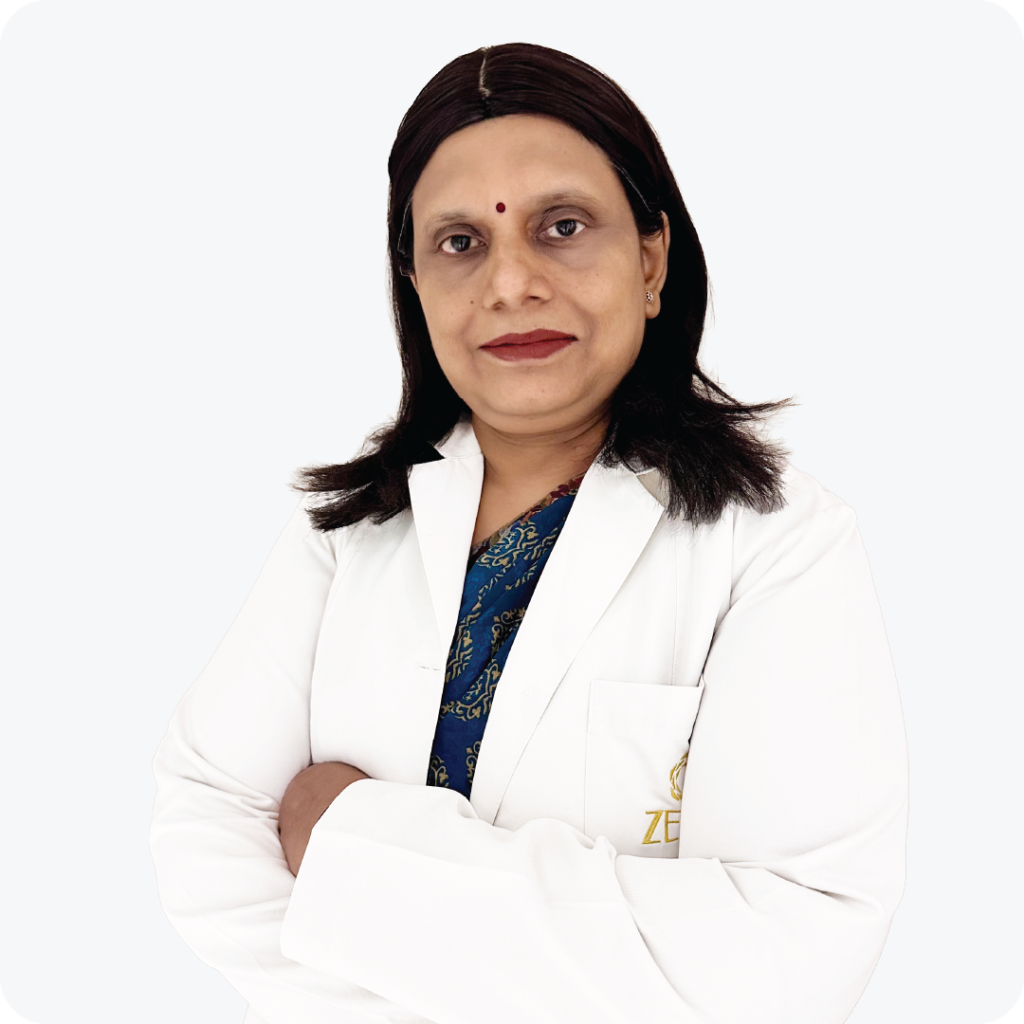
Dr. Snehal Shah Mahajan

Dr. Mayank Sharma

Dr. Avnika Kapoor
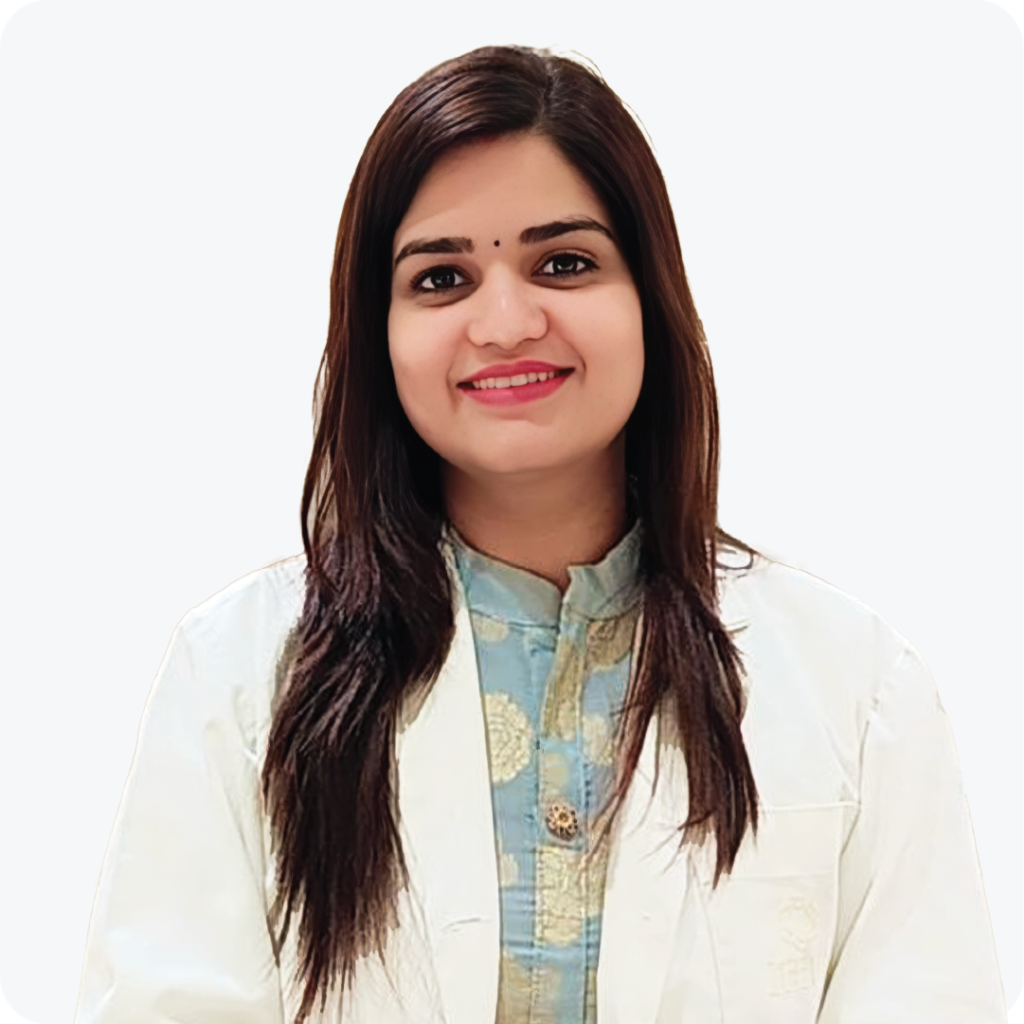
Dr. Ayushi Bhardwaj

Dr Deepika Mann
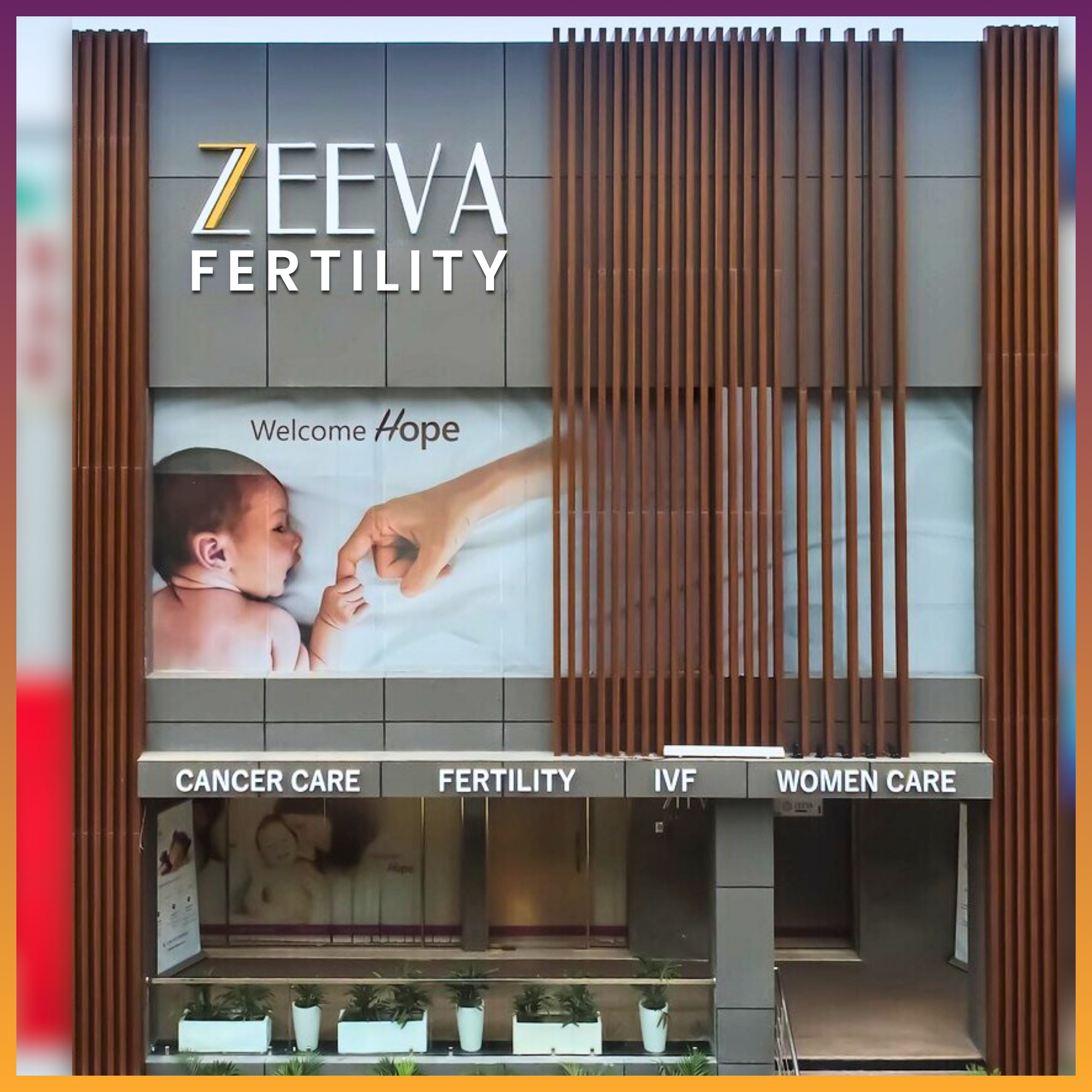
— Our Centres
Quality Fertility Care, Now Near You
Our cutting-edge fertility centres across Delhi NCR — Noida, Delhi, Ghaziabad and Greater Noida
Zeeva Fertility, Sector 63, Noida
H 1A, 37, H Block, Sector 63, Noida, Uttar Pradesh 201301
(+91) 7669381393
10 am - 6 pm
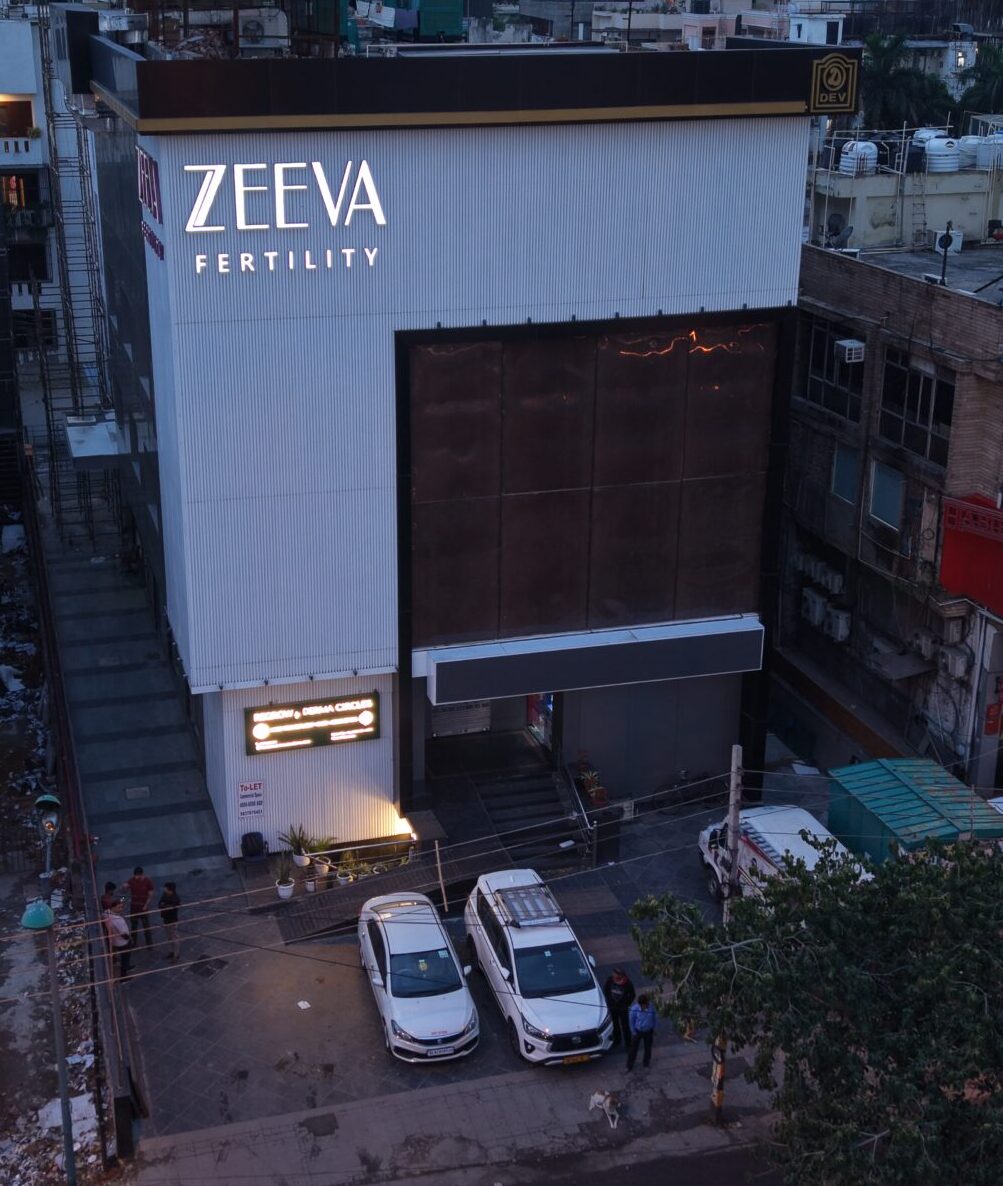
Zeeva Fertility in South Extension, Delhi
3rd Floor, M-2, South Extension II, Block M, New Delhi, Delhi 110049
(+91) 7669381393
10 am - 6 pm
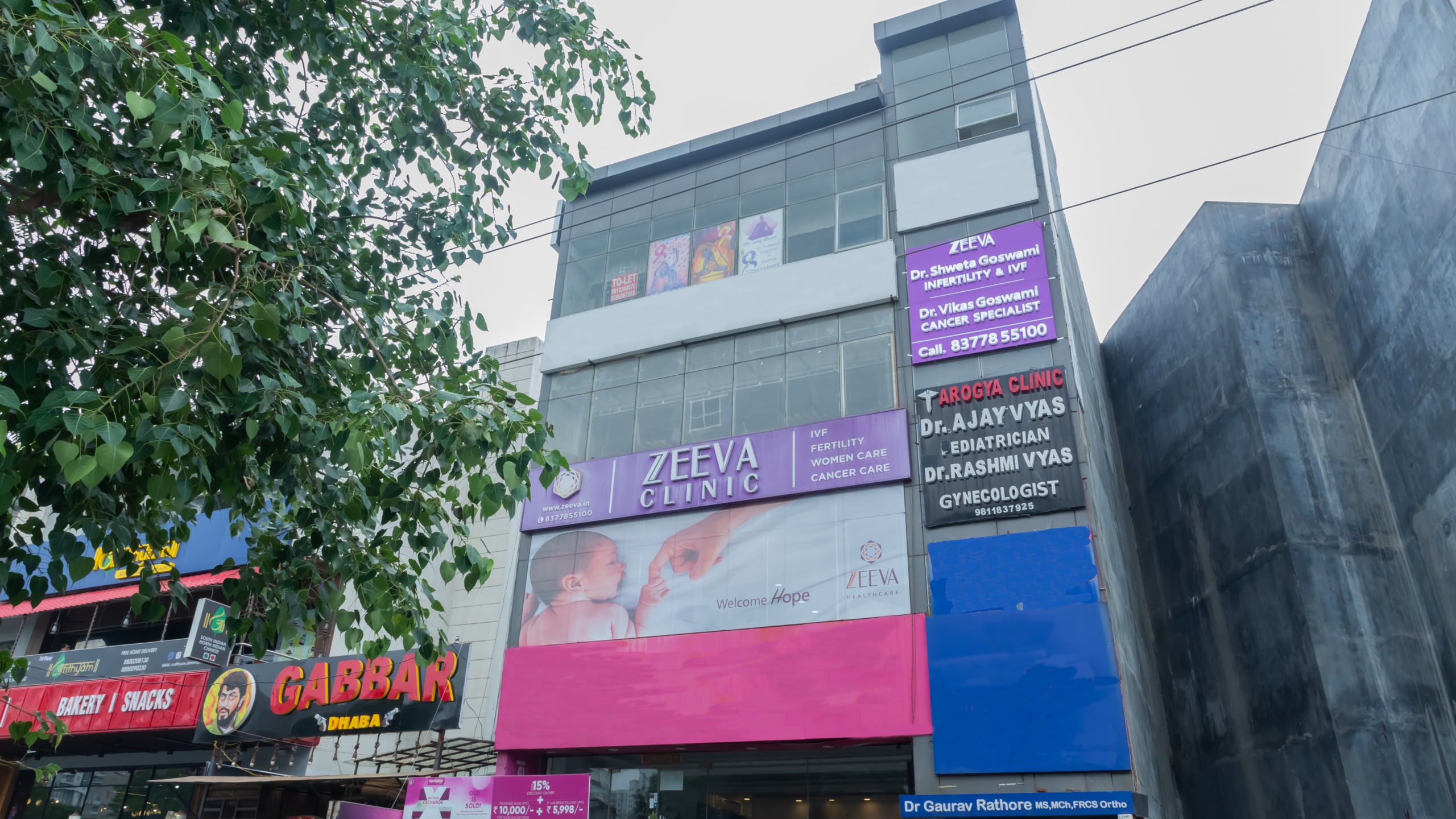
Zeeva Fertility, Sector 104, Noida
Zeeva Clinic, HA 103A, First Floor, Sector 104, Noida, Uttar Pradesh 201304
(+91) 7669381393
11 am - 1 pm & 5 am - 9 pm
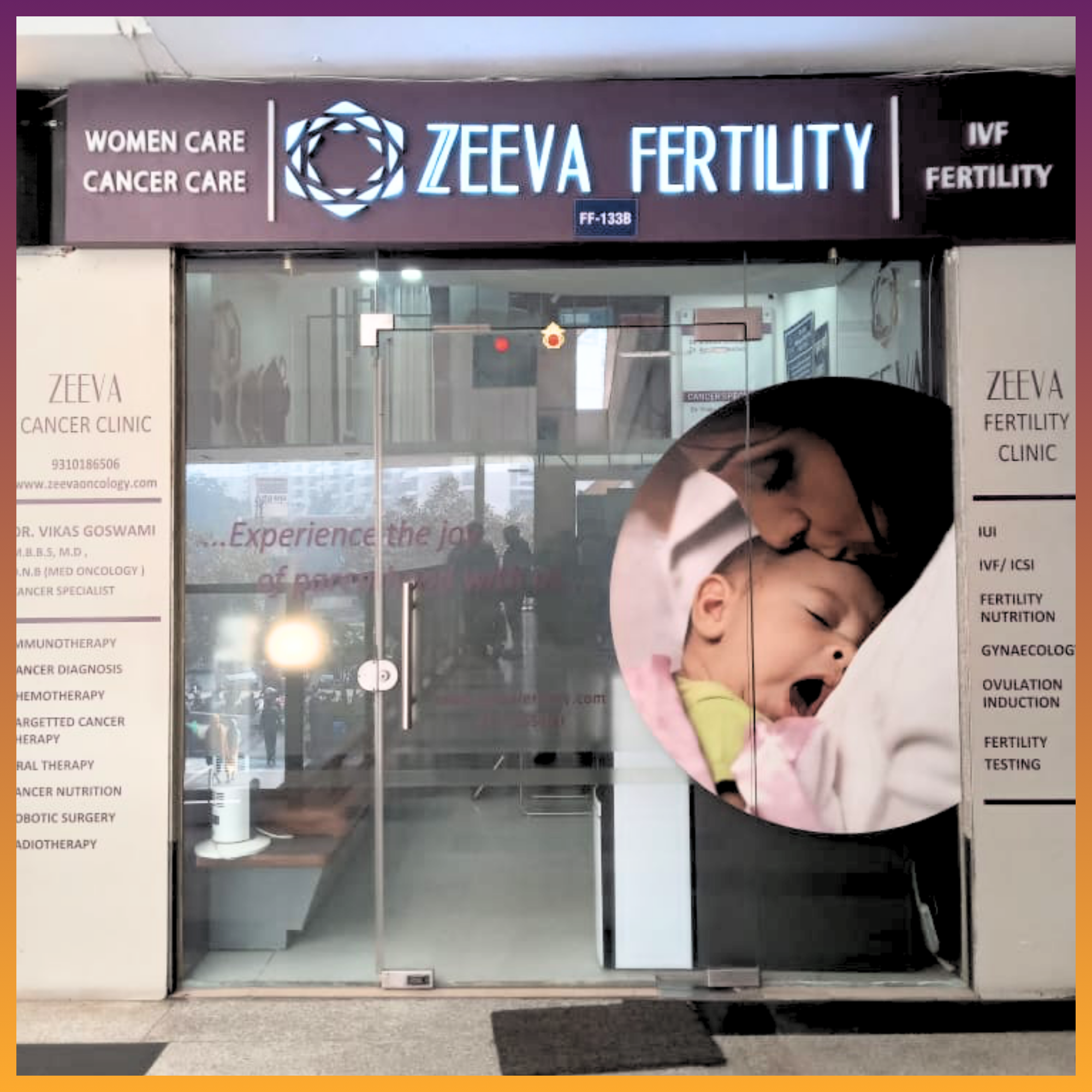
Greater Noida to Gaur City 1 Greater Noida West
Zeeva Fertility, 9th Floor, NH-3, GH 01, Gaur City 1, Sector 4, Greater Noida west, Ghaziabad, Uttar Pradesh 201009
(+91) 7669381393
10 am - 1 pm
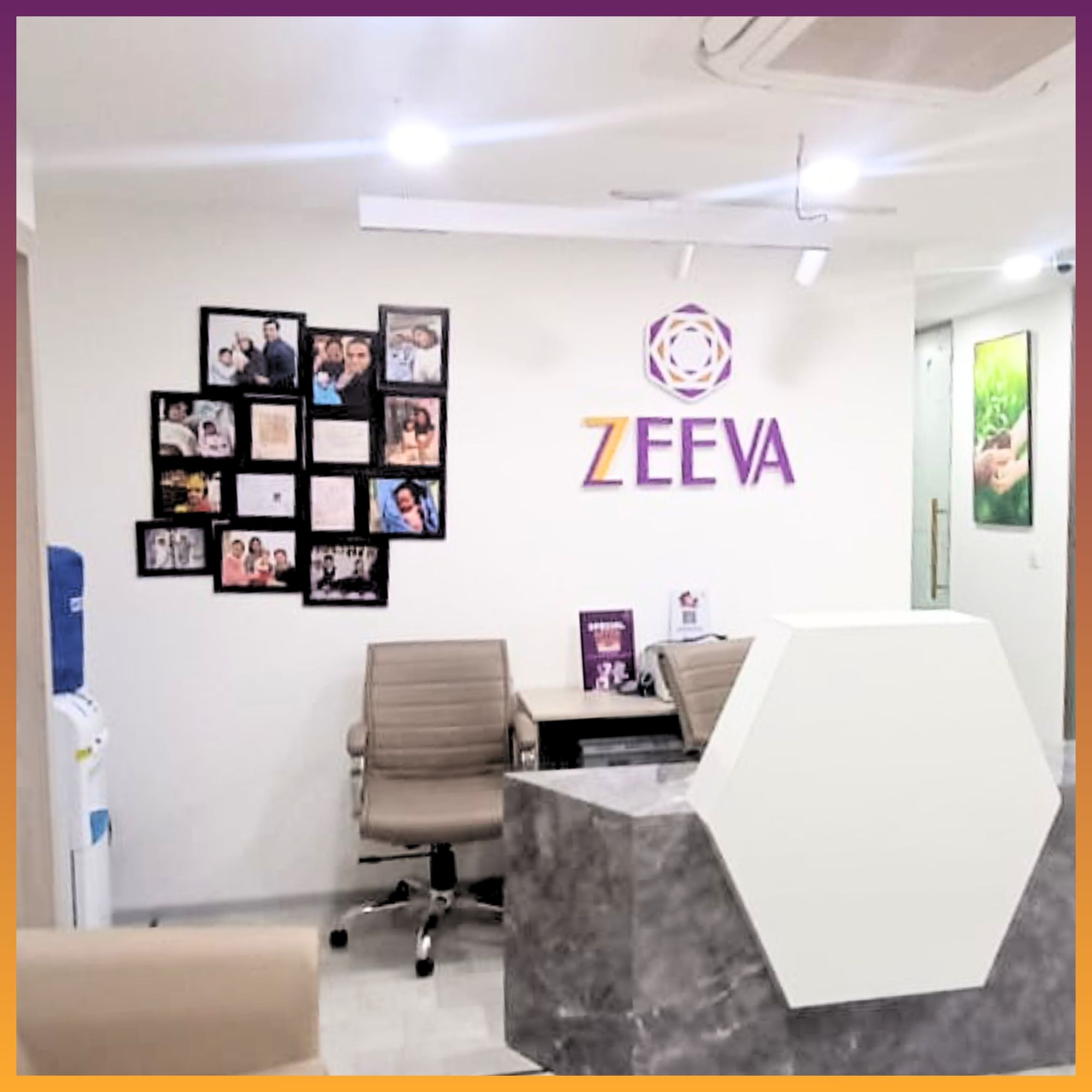
Zeeva Fertility in RDC, Ghaziabad
District Centre, RDC, Sector 15, Sector 10, Raj Nagar, Ghaziabad, Uttar Pradesh 201002
(+91) 7669381393
2 pm - 5 pm
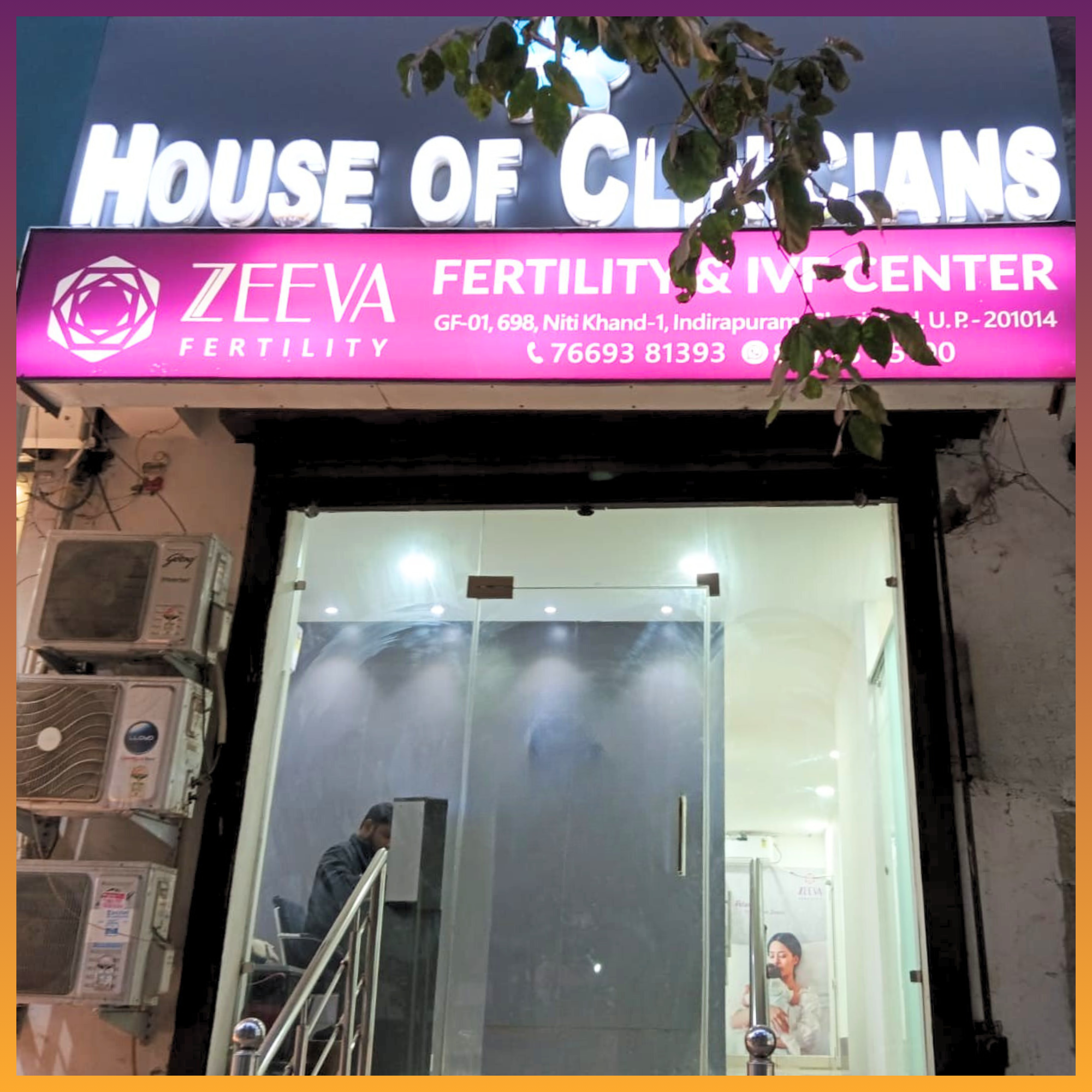
Zeeva Fertility in Indirapuram, Ghaziabad
GF-01, 698, Niti Khand I, Indirapuram, Ghaziabad, Uttar Pradesh 201014
(+91) 7669381393
6 pm - 8 pm
Ready to take the next step?
Talk to a Zeeva specialist — free, no pressure, clear options.
Our Blogs
Expert fertility insights
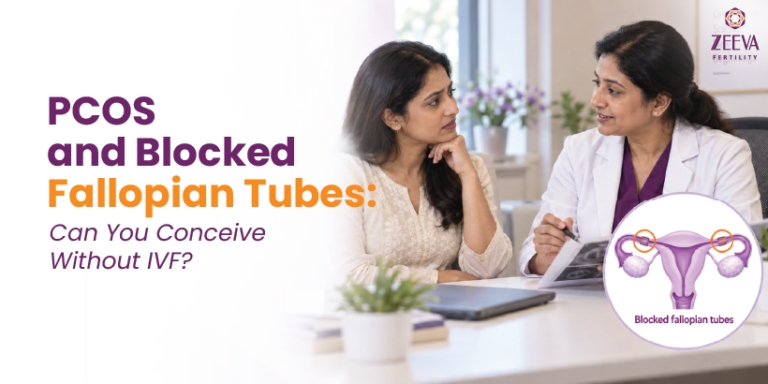
PCOS and Blocked Fallopian Tubes: Can You Conceive Without IVF?
Read More →

IUI vs IVF: How to Choose the Right Fertility Treatment in India
Read More →
Spotting Before Period: Causes and When to Worry
Read More →
IVF Success Rate कितना होता है? Age, AMH और Egg Quality का Role
Read More →


— Common questions
Fertility Questions, Answered
What is PMOS, and is it different from PCOS?
PMOS stands for Polyendocrine Metabolic Ovarian Syndrome. It is the new name for the condition previously called Polycystic Ovary Syndrome or PCOS. The condition itself has not changed. The updated name better reflects that it can affect hormones, metabolism, menstrual cycles, skin, emotional health and fertility—not only the ovaries.
What are the most common symptoms of PMOS?
Common symptoms include irregular or missed periods, difficulty predicting ovulation, acne, excess facial or body hair, scalp hair thinning, weight-management difficulties and trouble conceiving. Symptoms vary considerably, so a woman may have PMOS without experiencing every symptom.
What causes PMOS?
There is no single known cause of PMOS. It is believed to involve a combination of genetic, hormonal and metabolic factors. Increased androgen activity and insulin resistance may contribute to irregular ovulation and other symptoms. Having a family history of the condition may also increase the likelihood of developing it.
How is PMOS diagnosed?
PMOS is diagnosed through a detailed review of menstrual cycles, symptoms, physical findings and selected blood tests. An ultrasound or AMH test may also be considered in appropriate adult patients. However, PMOS cannot be confirmed from an ultrasound or AMH result alone. Other conditions that can cause similar symptoms must first be ruled out.
Do I need to have ovarian cysts to be diagnosed with PMOS?
No. The structures often seen on an ultrasound are usually small developing ovarian follicles, not harmful ovarian cysts. Many women with PMOS do not have a polycystic ovarian appearance, which is one of the main reasons the condition was renamed.
Can I get pregnant naturally if I have PMOS?
Yes. Many women with PMOS conceive naturally, particularly when they are ovulating regularly and no other fertility concern is present. Others may need support to restore or stimulate ovulation. Age, ovarian reserve, fallopian-tube health and the male partner’s semen parameters should also be considered before choosing treatment.
Does every woman with PMOS need IVF?
No. PMOS does not automatically mean that IVF is required. Depending on the complete fertility evaluation, treatment may begin with lifestyle support, ovulation-induction medicines, monitored cycles, timed intercourse or IUI. IVF may be advised when simpler treatments are unsuccessful or when additional fertility factors are present.
What treatments are available for PMOS-related infertility?
Treatment depends on why pregnancy is not occurring. It may include preconception health optimisation, medicines that help stimulate ovulation, ultrasound-monitored cycles, timed intercourse or IUI. IVF or ICSI may be considered when medically indicated. Fertility medicines should be taken only under specialist supervision because the ovaries must be carefully monitored.
Can PMOS be cured permanently?
PMOS is considered a long-term condition, and there is currently no permanent cure. However, its symptoms and associated health risks can usually be managed effectively. Treatment may help regulate periods, improve ovulation, manage acne or excess hair, support fertility and reduce future metabolic and uterine-health risks.
When should I consult a fertility specialist for PMOS?
Consult a specialist if your periods are consistently irregular or absent, you cannot identify ovulation, or you are concerned about your fertility. Fertility evaluation is generally recommended after 12 months of trying when under 35 and after six months when 35 or older. Earlier consultation may be appropriate when periods are very irregular or another fertility concern is already known.
At Zeeva Fertility, treatment is personalised after evaluating ovulation, ovarian reserve, fallopian tubes, metabolic health and male fertility factors—so you receive the most appropriate care rather than a one-size-fits-all plan.