


.

Fertility Preservation For Cancer Patients In Noida.

At our center for fertility preservation for Cancer Patients in Noida, we offer a range of services aimed at providing patients with comprehensive diagnosis, treatment, and care. We have the necessary facilities and expertise to provide our patients with the best possible treatment.

Fertility Preservation For Cancer Patients In Noida

At our center for fertility preservation for Cancer Patients in Noida, we offer a range of services aimed at providing patients with comprehensive diagnosis, treatment, and care. We have the necessary facilities and expertise to provide our patients with the best possible treatment.

Every treatment decision is shaped with 20+ years of proven clinical experience

Trust

25,000+

Happy Families

Result

78%+

IVF Success Rate

Positive

1,650+

Google Reviews

Heritage

20+

Years of Experience

What Is Fertility Preservation for Cancer Patients?

Fertility preservation helps protect eggs, sperm, embryos, or reproductive tissue before cancer treatment. Chemotherapy, radiation, surgery, and some other treatments may affect future fertility, so preservation options are ideally discussed before treatment begins.

The right approach to fertility preservation in cancer patients depends on age, reproductive health, cancer type, planned treatment, and the amount of time available before cancer therapy starts.

— TREATMENT PROCEDURE

Fertility Preservation Procedure Step by Step for Cancer Patients

The fertility preservation procedure is planned around the cancer treatment schedule. The aim is to choose a suitable fertility option without unnecessarily delaying essential cancer care.

Step 1: Early Fertility Consultation

A fertility consultation should ideally happen soon after cancer diagnosis and before chemotherapy, radiation, or fertility-impacting surgery begins, allowing patients to preserve their future fertility.

Step 2: Fertility Risk Assessment

The fertility specialist reviews the cancer diagnosis, planned treatment, age, reproductive history, and expected impact of chemotherapy, radiation, or surgery on the ovaries, testes, or other reproductive organs.

Step 3: Current Fertility Evaluation

Depending on the patient, evaluation may include hormone tests, ovarian reserve assessment, ultrasound, or semen analysis. These tests help understand current fertility and guide the most appropriate preservation option.

Step 4: Selection of the Preservation Method

The fertility and oncology teams consider the patient's medical situation, fertility goals, available time, and cancer treatment plan before selecting egg freezing, embryo freezing, sperm freezing, or another suitable preservation method.

Step 5: Preservation Procedure

Once the method is selected, eggs, sperm, embryos, or reproductive tissue are collected and cryopreserved. The exact procedure and timeline depend on the preservation method and the patient's clinical condition.

Step 6: Storage & Future Planning

Preserved eggs, sperm, embryos, or tissue are stored under controlled cryogenic conditions. After cancer treatment, fertility status and future pregnancy plans are reassessed before deciding when and how the preserved material may be used.

Selection of the Appropriate Preservation Method

There is no single fertility preservation method suitable for every cancer patient. The choice depends on cancer treatment, age, fertility status, available time, and future family-building plans.

1. Egg Freezing

Egg freezing may be considered for women whose cancer treatment could affect ovarian function.

2. Embryo Cryopreservation

Embryo freezing may be considered when eggs are retrieved and fertilised before storage. Suitable embryos are then cryopreserved and may later be used for a frozen embryo transfer.

3. Sperm Cryopreservation

One or more semen samples are collected, processed, and stored for possible future use in fertility treatment.

4. Ovarian Tissue Cryopreservation

It may be considered in selected patients, particularly when there is limited time available for ovarian stimulation.

5. Ovarian Transposition

For selected patients receiving pelvic radiation, the ovaries may sometimes be surgically moved away from the radiation field.

6. Fertility-Sparing Surgery

For selected patients receiving pelvic radiation, the ovaries may sometimes be surgically moved away from the radiation field.

What Determines the Right Fertility Preservation Method?

  • Cancer Type and Treatment
    The type of cancer and planned chemotherapy, radiation, or surgery can affect fertility differently. The preservation plan is based on the expected impact of the specific cancer treatment.
  • Age and Fertility Status
    Age, ovarian reserve, sperm quality, reproductive history, and current fertility status can influence which preservation method may be appropriate.
  • Time Before Cancer Treatment
    When cancer treatment needs to begin quickly, the fertility specialist selects options that can be completed safely within the available treatment window.
  • Future Family Plans
    Whether a patient wants to preserve eggs, sperm, embryos, or reproductive tissue can also depend on relationship status, future pregnancy plans, and personal preferences regarding family building.
  • Cost and Storage
    Fertility preservation costs may include consultation, medication, collection procedures, laboratory processing, freezing, and long-term storage.

Why Choose Zeeva Fertility for Fertility Preservation?

Cancer treatment involves several important decisions. At Zeeva Fertility, the focus is on timely assessment, clear guidance, and coordinated fertility planning before cancer treatment begins.

1. Individualised Oncofertility Assessment

At our fertility preservation clinic, each patient is evaluated based on cancer diagnosis, treatment plan, age, fertility status, and available time so that the preservation method is tailored to their individual medical situation.

2. Timely Treatment Planning

Our team focuses on prompt fertility assessment and selecting a fertility preservation procedure that can be planned within the available treatment window.

3. Multiple Preservation Options

Depending on the patient's needs, options such as egg freezing, embryo freezing, sperm cryopreservation, and other suitable fertility preservation methods can be considered.

4. Coordination With Cancer Treatment

Fertility preservation is planned around the patient's oncology treatment. The aim is to protect future fertility while avoiding unnecessary delays in chemotherapy, radiation, surgery, or other required cancer care.

Meet Our Fertility Experts

The Experts Guiding Your Journey

20+ Years Experience

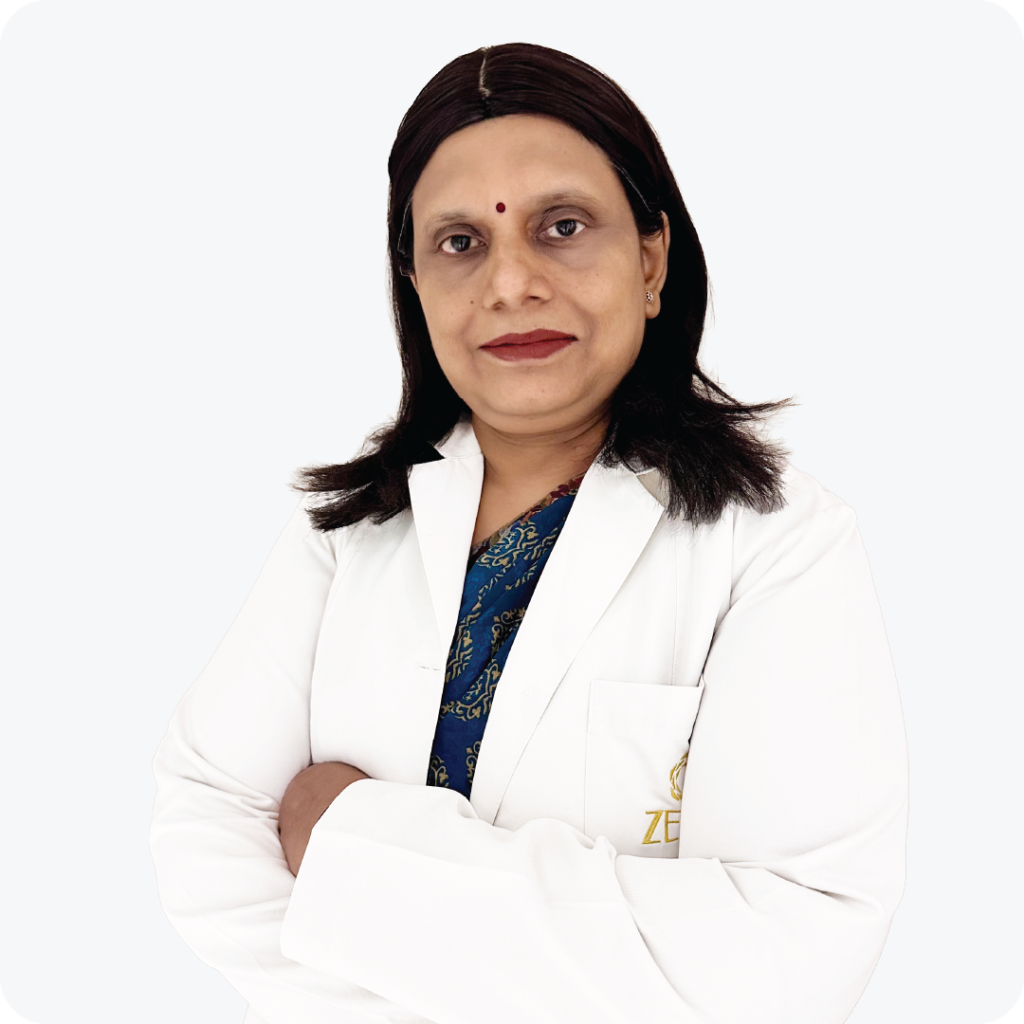
Dr. Shweta Goswami

Founder & Medical Director, Zeeva Fertility
MBBS (Honours) – Maulana Azad Medical College, New Delhi • MD (Obs & Gyn) – Safdarjung Hospital • FNB in IVF & Reproductive Medicine – IRM Kolkata
20+ Years Experience

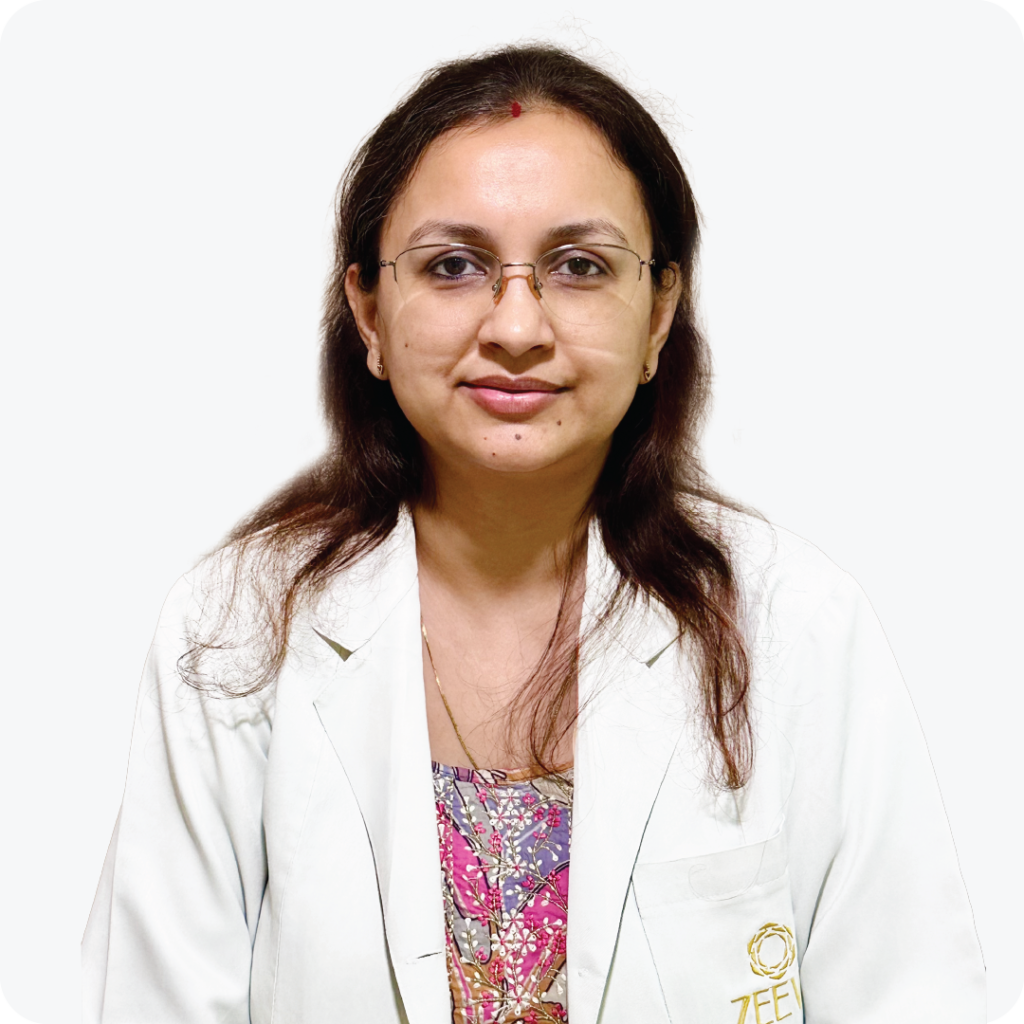
Dr. Aarthi Mani

Senior Consultant, Zeeva Fertility
MBBS – Thoothukudi Government Medical College & Hospital (Tamil Nadu Dr. MGR University) • MS (Obstetrics & Gynaecology) – Sri Ramachandra Medical College & Research Institute (Gold Medalist) • FNB (Fellowship in IVF & Reproductive Medicine) – NOVA IVF
16+ years of experience

Dr. Shuchi Lakhanpal Kalia

Senior Fertility Specialist
MBBS - Gold Medalist • MS in Obstetrics and Gynaecology - Delhi University • DNB in Obstetrics and Gynaecology • Diploma in Clinical ART • Fellowship in Minimal Access Surgery.
Available at:
10+ Years Experience

Dr. Nidhi Tripathi

Fertility & IVF Specialist
MBBS and MS in Obstetrics & Gynaecology from GSVM Medical College, Kanpur. • Diploma in Clinical ART through the Indian Fertility Society Fellowship Programme, securing 2nd position. • Fellowship in Reproductive Medicine from IIRFT, New Delhi; recognised as the Second Best Clinical IFS Fellow. • Trained in Gynaecological Endoscopy and completed national-level clinical skill development programmes. • Actively participates in academic activities and served as Faculty at AaKRITI – Understanding on Perinatology in 2024.
17+ Years Experience

Dr. Shipra Gupta

IVF & Infertility Specialist
M.B.B.S. VMMC & Safdarjung Hospital, New Delhi (2009) • Diploma (D.G.O.) in Obstetrics and Gynaecology VMMC & Safdarjung( 2011) • M.D. in Obstetrics and Gynaecology VMMC& Safdarjung Hospital, New Delhi (2014) • FOGSI certified Fetal medicine specialist Apollo hospitals( 2014) • Basic and Advanced Laparoscopy at AIIMS, New Delhi (2015) • Fellowship in Pelvic Floor Reconstructive surgeries and Minimal Invasive Gynecology at Scripps Clinic, San Diego, U.S.A (2016) • Fellowship in Reproductive Medicine and ART Max Hospital, New Delhi (2018)
Available at:
16+ Years Experience

Dr. Snehal Shah Mahajan

Consultant, Zeeva Fertility
MBBS – ACPM Medical College, Mumbai (2004) • Diploma in Obstetrics & Gynaecology (DGO) – CPS Mumbai (2010) • MBA in Healthcare Management – Sikkim Manipal University (2015) • Certificate Course in Infertility (2021)
Available at:
12+ Years Experience

Dr. Mayank Sharma

Associate Consultant, Zeeva Fertility
MBBS – NKPSIMS & Lata Mangeshkar Hospital, Nagpur • DGO – MVJ Medical College & Research Centre, Bengaluru • Fellowship in Reproductive Medicine – IIRFT, New Delhi
7+ Years Experience

Dr. Avnika Kapoor

Consultant, Zeeva Fertility
MBBS – Bharati Vidyapeeth Deemed University, Pune • MS (Obstetrics & Gynaecology) – Bharati Vidyapeeth Deemed University, Pune • Fellowship in Reproductive Medicine – IIRFT, Delhi • Cosmetic Gynaecology – ILAMED, Delhi • Fellowship in Gynae Ultrasound – Randhawa Institute, Delhi
Available at:
7 years of experience

Dr. Ayushi Bhardwaj

IVF & Fertility Specialist
MBBS • MS (Obstetrics & Gynaecology) • DNB • FMAS • Fellowship-trained IVF Specialist
10+ Years Experience

Dr Deepika Mann

Associate - IVF Consultant
MBBS from K.S. Hegde Medical Academy, Mangalore • M.S from jjmmc, Davangere,karnataka • Fellowship in Reproductive Medicine from International Fertility Centre, Delhi
Available at:

— Our Centres

Quality Fertility Care, Now Near You

Our cutting-edge fertility centres across Delhi NCR — Noida, Delhi, Ghaziabad and Greater Noida

Zeeva Fertility, Sector 63, Noida

H 1A, 37, H Block, Sector 63, Noida, Uttar Pradesh 201301

(+91) 7669381393

10 am - 6 pm

Zeeva Fertility in South Extension, Delhi

3rd Floor, M-2, South Extension II, Block M, New Delhi, Delhi 110049

(+91) 7669381393

10 am - 6 pm

Zeeva Fertility, Sector 104, Noida

Zeeva Clinic, HA 103A, First Floor, Sector 104, Noida, Uttar Pradesh 201304

(+91) 7669381393

11 am - 1 pm & 5 am - 9 pm
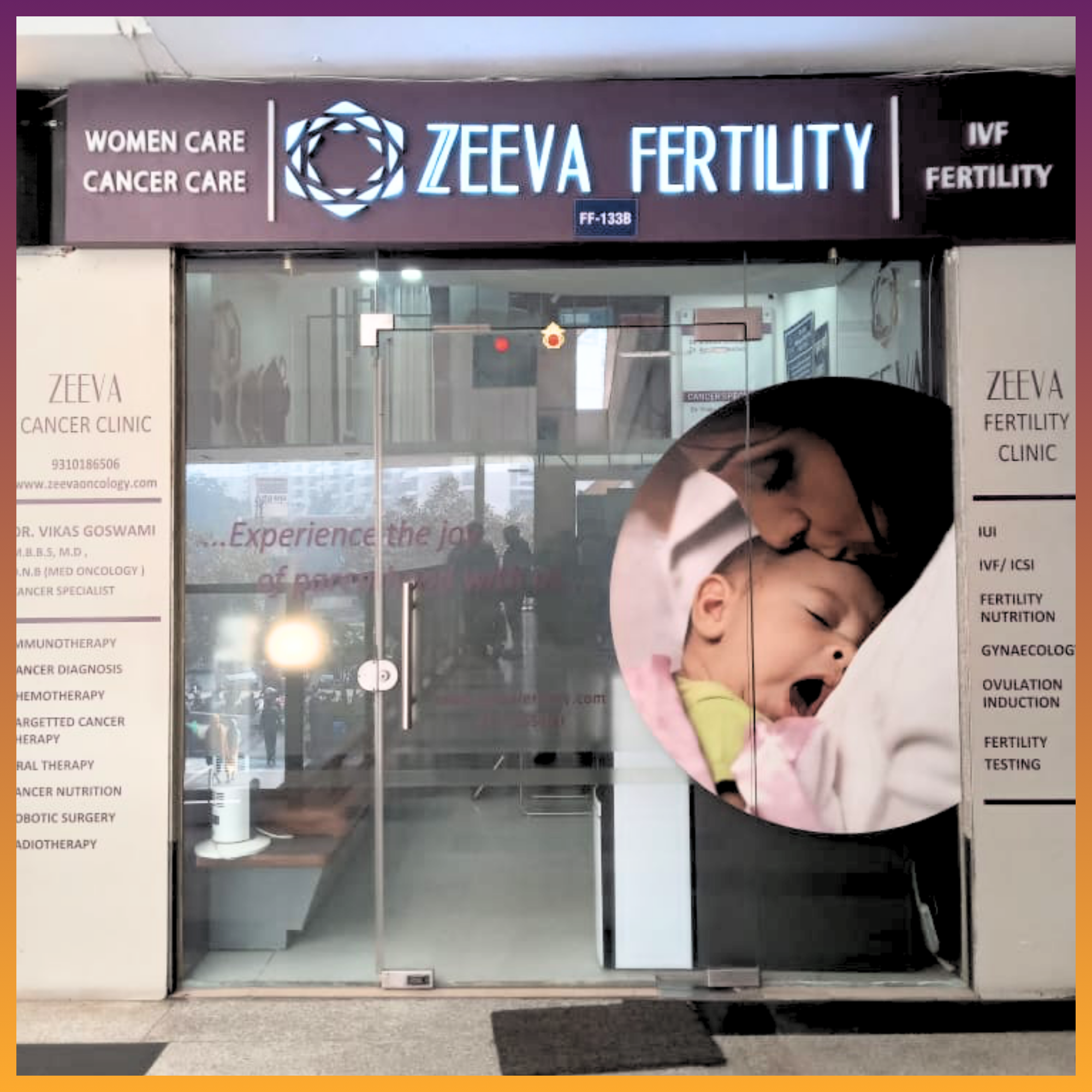
Greater Noida to Gaur City 1 Greater Noida West

Zeeva Fertility, 9th Floor, NH-3, GH 01, Gaur City 1, Sector 4, Greater Noida west, Ghaziabad, Uttar Pradesh 201009

(+91) 7669381393

10 am - 1 pm
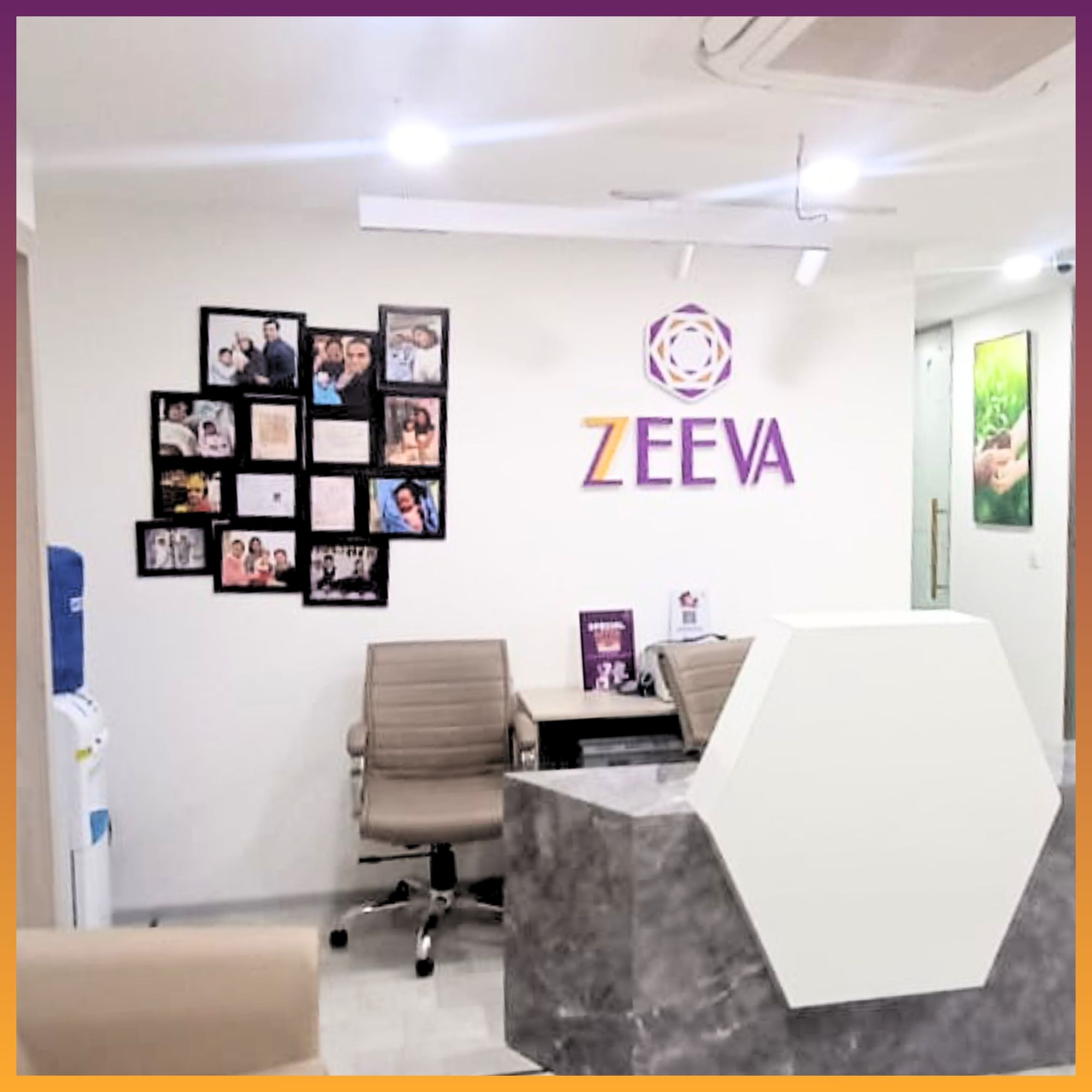
Zeeva Fertility in RDC, Ghaziabad

District Centre, RDC, Sector 15, Sector 10, Raj Nagar, Ghaziabad, Uttar Pradesh 201002

(+91) 7669381393

2 pm - 5 pm
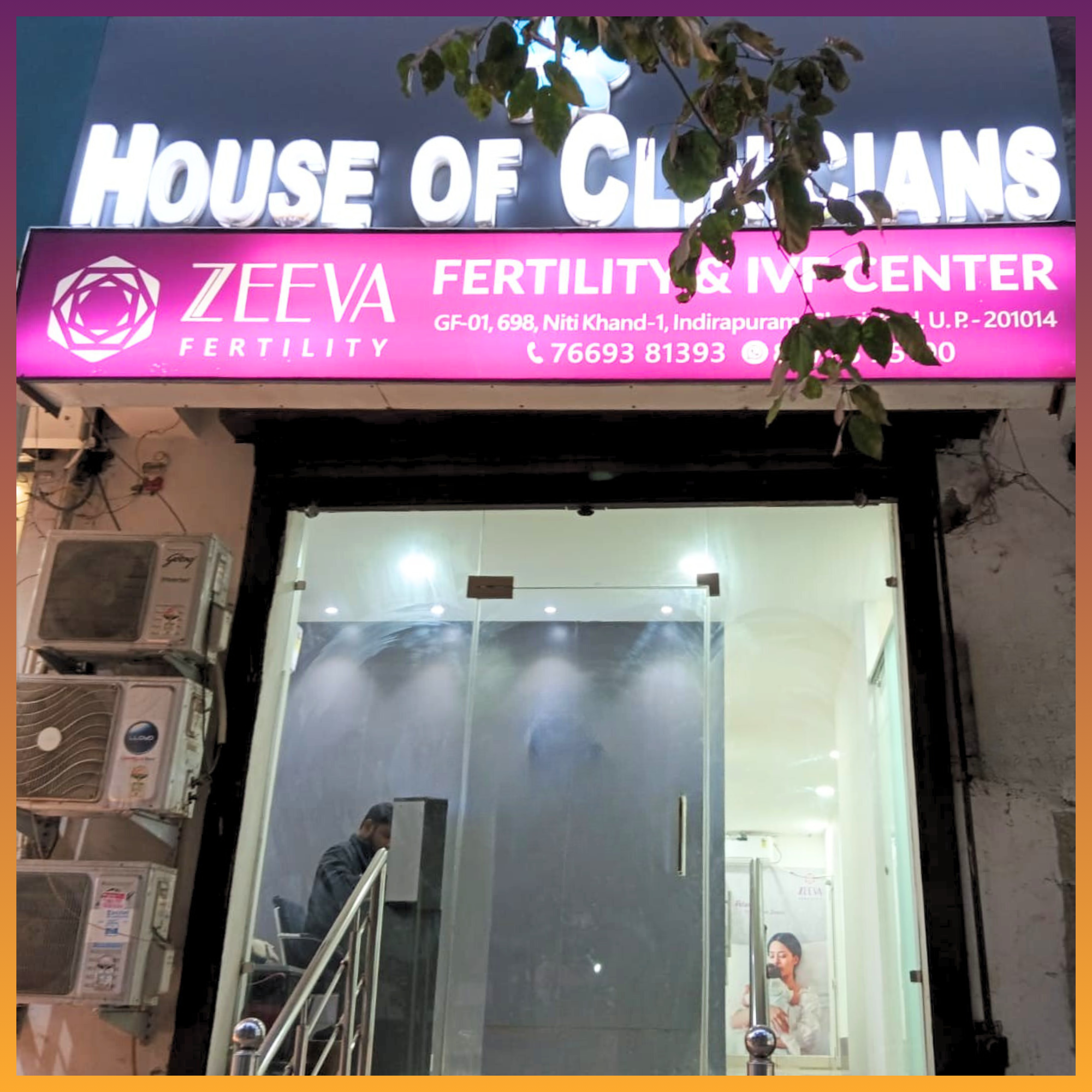
Zeeva Fertility in Indirapuram, Ghaziabad

GF-01, 698, Niti Khand I, Indirapuram, Ghaziabad, Uttar Pradesh 201014

(+91) 7669381393

6 pm - 8 pm

What our patients are saying

Failed IVF

Natural Pregnancy

IVF

Tubal Blockage

Low AMH

IVF

Failed IVF

Ready to take the next step?

Talk to a Zeeva specialist — free, no pressure, clear options.

— Common questions

Fertility Questions, Answered

What is the risk of infertility after cancer treatment involving chemotherapy and/or radiation therapy?

The risk of infertility varies depending on the type of treatment, dose, and location. Certain chemotherapy drugs and radiation therapy to the pelvic area can cause more significant damage to reproductive organs, resulting in a higher risk of infertility.

Age is a crucial factor in fertility preservation. Women’s fertility declines with age and the effects of cancer treatment may worsen with age. Younger women have a higher chance of success with fertility preservation.

The dose and type of chemotherapy can affect fertility differently. High doses of chemotherapy are more likely to cause infertility, and certain chemotherapy drugs can cause more damage to the reproductive organs than others.

Yes, having a baby after cancer treatment is safe. However, the timing of pregnancy and the type of cancer treatment received will determine when it is safe to conceive. It is recommended to wait for a certain period after treatment before trying to conceive.

The freezing of eggs for fertility involves using hormones to stimulate the ovaries to produce multiple eggs. These eggs are then retrieved and frozen for future use. This freezing of eggs fertility process is typically completed before cancer treatment begins.

The cost of fertility preservation varies depending on the type of procedure and location. Patients should consult with their clinic for specific pricing information.