


.

Your Journey to Motherhood Deserves the Right Support.

We understand the emotional and physical challenges of female infertility—and we’re here to guide you every step of the way.

Your Journey to Motherhood Deserves the Right Support.

We understand the emotional and physical challenges of female infertility—and we’re here to guide you every step of the way.

Every treatment decision is shaped with 20+ years of proven clinical experience

Trust

25,000+

Happy Families

Result

78%+

IVF Success Rate

Positive

1,650+

Google Reviews

Heritage

20+

Years of Experience

What Is Female Infertility?

Female infertility refers to fertility problems that may make it difficult for a woman to conceive or maintain a pregnancy. The problem may involve ovulation, egg quantity or quality, fallopian tubes, the uterus, hormones, or other reproductive-health conditions.

When understanding female infertility, it is important to identify the underlying factor before deciding which treatment may be appropriate.

Common Female Infertility Problems

  • Ovulation Problems
    Ovulation problems occur when an egg is not released regularly or does not release at all. Conditions such as PCOS or hormonal imbalance can interfere with normal ovulation and menstrual cycles.
  • Low Ovarian Reserve
    Low ovarian reserve means fewer eggs remain in the ovaries than expected. It can occur with increasing age or earlier in some women and may influence fertility treatment planning.
  • Blocked Fallopian Tubes
    Fallopian-tube blockage can prevent sperm from reaching the egg or interfere with the fertilised egg reaching the uterus. Previous infections, surgery, or other pelvic conditions may contribute.
  • Endometriosis
    Endometriosis occurs when tissue similar to the uterine lining grows outside the uterus. It may affect the ovaries, fallopian tubes, pelvic environment, or other factors involved in conception.
  • Uterine Problems
    Fibroids, polyps, scar tissue, or certain structural abnormalities of the uterus may sometimes interfere with implantation or pregnancy, depending on their size, location, and severity.
  • Premature Ovarian Insufficiency
    Premature ovarian insufficiency occurs when ovarian function declines earlier than expected. It may affect ovulation, hormone levels, and egg availability and can require individual fertility evaluation and planning.

What Are the Common Female Infertility Causes?

There are many possible female infertility causes, and sometimes more than one factor may be involved. Common reasons for female infertility include age-related changes, ovulation problems, tubal disease, endometriosis, uterine conditions, and hormonal or medical factors.

  • Age & Ovarian Reserve
    Female fertility gradually declines with age as both egg quantity and egg quality change. Age becomes particularly important when deciding how long to try naturally and when fertility evaluation may be useful.
  • Ovulation Disorders & PCOS
    Irregular or absent ovulation can make conception more difficult. PCOS is one common condition associated with irregular ovulation, although other hormonal conditions can also affect the menstrual cycle.
  • Fallopian-Tube Problems
    Blocked or damaged fallopian tubes may interfere with fertilisation. Previous pelvic infections, certain surgeries, endometriosis, or previous tubal pregnancy may contribute to tubal damage.
  • Endometriosis
    Endometriosis may affect fertility through inflammation, ovarian involvement, scar tissue, or changes involving the fallopian tubes and surrounding pelvic structures.
  • Uterine Conditions
    Fibroids, polyps, adhesions, or abnormalities in the shape of the uterus may affect fertility in selected women, particularly when they interfere with the uterine cavity.
  • Lifestyle & Health Factors
    Smoking, significant weight-related concerns, certain medical treatments, or environmental exposures may affect reproductive health in some women.

— TREATMENT PROCEDURE

Female Infertility Treatment Procedure Step by Step

The female infertility treatment process begins by identifying which part of the reproductive process may be affected.

Step 1. Fertility History & Initial Evaluation

The fertility specialist reviews menstrual cycles, previous pregnancies, medical and surgical history, previous fertility treatment, medicines, known reproductive conditions, and how long the couple has been trying.

Step 2. Ovulation & Ovarian Reserve Assessment

The doctor may assess whether ovulation is occurring regularly and evaluate ovarian reserve where clinically relevant. Depending on the individual case, this may involve menstrual-history assessment, ultrasound, hormone tests, or ovarian-reserve testing.

Step 3. Ultrasound & Further Fertility Tests

A pelvic ultrasound can help assess the ovaries and uterus. Additional testing may be recommended depending on the suspected cause. The aim is targeted testing based on the woman’s history rather than performing every available fertility test.

Step 4. Treat or Manage the Underlying Problem

Once the likely cause is identified, treatment is planned accordingly. Treatment may include ovulation or hormonal management, treatment of uterine, tubal or endometriosis-related problems, underlying health conditions, and lifestyle optimisation.

Step 5. Plan the Appropriate Fertility Treatment

The next step depends on age, ovarian reserve, ovulation, fallopian-tube health, male-partner factors, duration of infertility, and the couple’s complete diagnosis.

Treatment options include:

  • Ovulation Induction – Fertility medicines may be used to help stimulate or regulate ovulation in women who do not ovulate regularly or have selected ovulatory disorders.
  • Timed Intercourse – In selected cases, ovulation may be monitored so intercourse can be planned around the fertile window when natural conception remains a suitable option.
  • IUI may be considered when the fallopian tubes are suitable, ovulation is occurring or being stimulated, and sperm parameters are appropriate for the procedure.
  • IVF may be recommended in conditions such as significant tubal problems, certain cases of endometriosis, reduced fertility potential, male-factor infertility, or when simpler approaches are unlikely to be suitable.
  • Fertility Surgery Selected uterine, tubal, fibroid, polyp, or endometriosis-related problems may require surgical management when they are considered relevant to fertility.
  • Treatment Donor eggs may be considered in selected situations where a woman is unable to use her own eggs or where ovarian function is significantly reduced.

What Couples Should Know

Female infertility can have several possible causes, and treatment should be based on the woman’s diagnosis as well as the couple’s overall fertility picture.

1. Female Infertility May Not Cause Symptoms

Some women have regular periods and no obvious female infertility symptoms but may still experience difficulty conceiving. Fertility evaluation helps assess factors that may not be visible through symptoms alone.

2. Age Is Important, but It Is Not the Only Factor

Age affects egg quantity and quality, but fertility also depends on ovulation, fallopian tubes, uterine health, sperm factors, and other medical conditions.

3. Irregular Periods May Affect Ovulation

Irregular or absent periods can sometimes indicate that ovulation is not occurring consistently. Identifying the reason can help determine whether medical treatment or fertility support is needed.

4. Female Infertility Does Not Automatically Mean IVF

Some women may benefit from treating an underlying condition, ovulation induction, timed intercourse, IUI, surgery, or another approach before IVF is considered.

5. Both Partners Should Be Evaluated

Difficulty conceiving should not automatically be assumed to be a female problem. Evaluating both partners can help identify contributing factors and avoid unnecessary delays in treatment.

Why Choose Zeeva Fertility for Female Infertility Treatment?

At Zeeva Fertility, treatment planning begins by understanding the underlying causes of female infertility and the couple’s overall fertility health before deciding the appropriate treatment pathway.

1. Couple-Based Fertility Evaluation

Female and male fertility factors are considered together so that treatment decisions are based on the couple’s complete reproductive picture rather than evaluating only one partner.

2. Evaluation Before Treatment

The fertility specialist assesses ovulation, ovarian reserve, reproductive history, uterine and tubal factors, age, and other relevant conditions before recommending treatment.

3. Multiple Treatment Pathways

Depending on the diagnosis, female infertility treatment may involve ovulation induction, timed intercourse, IUI, fertility surgery, IVF, or donor-egg treatment according to individual needs.

4. Coordinated Fertility & Embryology Care

When assisted reproduction is required, fertility specialists and the embryology team coordinate ovarian stimulation, egg retrieval, fertilisation, embryo development, and subsequent treatment stages according to the couple’s treatment plan.

Meet Our Fertility Experts

The Experts Guiding Your Journey

20+ Years Experience

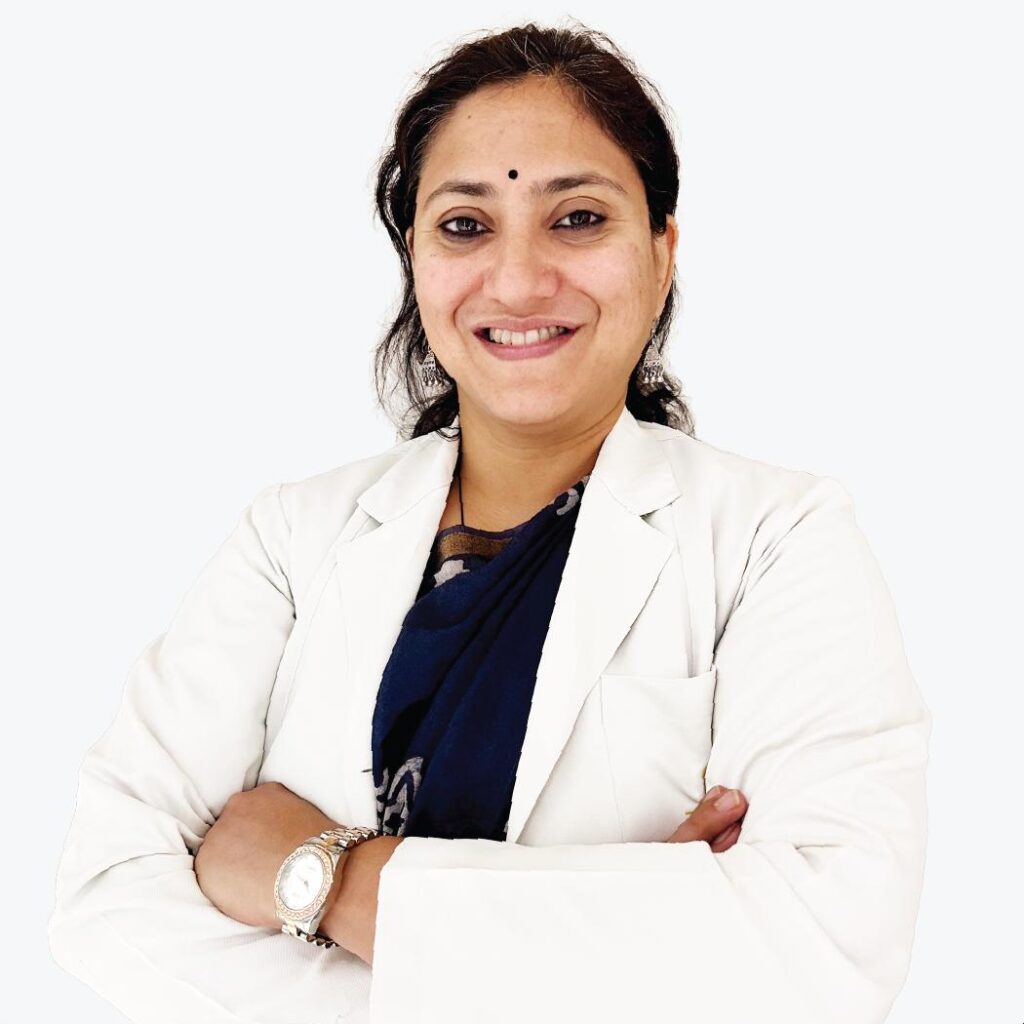
Dr. Shweta Goswami

Founder & Medical Director, Zeeva Fertility
MBBS (Honours) – Maulana Azad Medical College, New Delhi • MD (Obs & Gyn) – Safdarjung Hospital • FNB in IVF & Reproductive Medicine – IRM Kolkata
20+ Years Experience

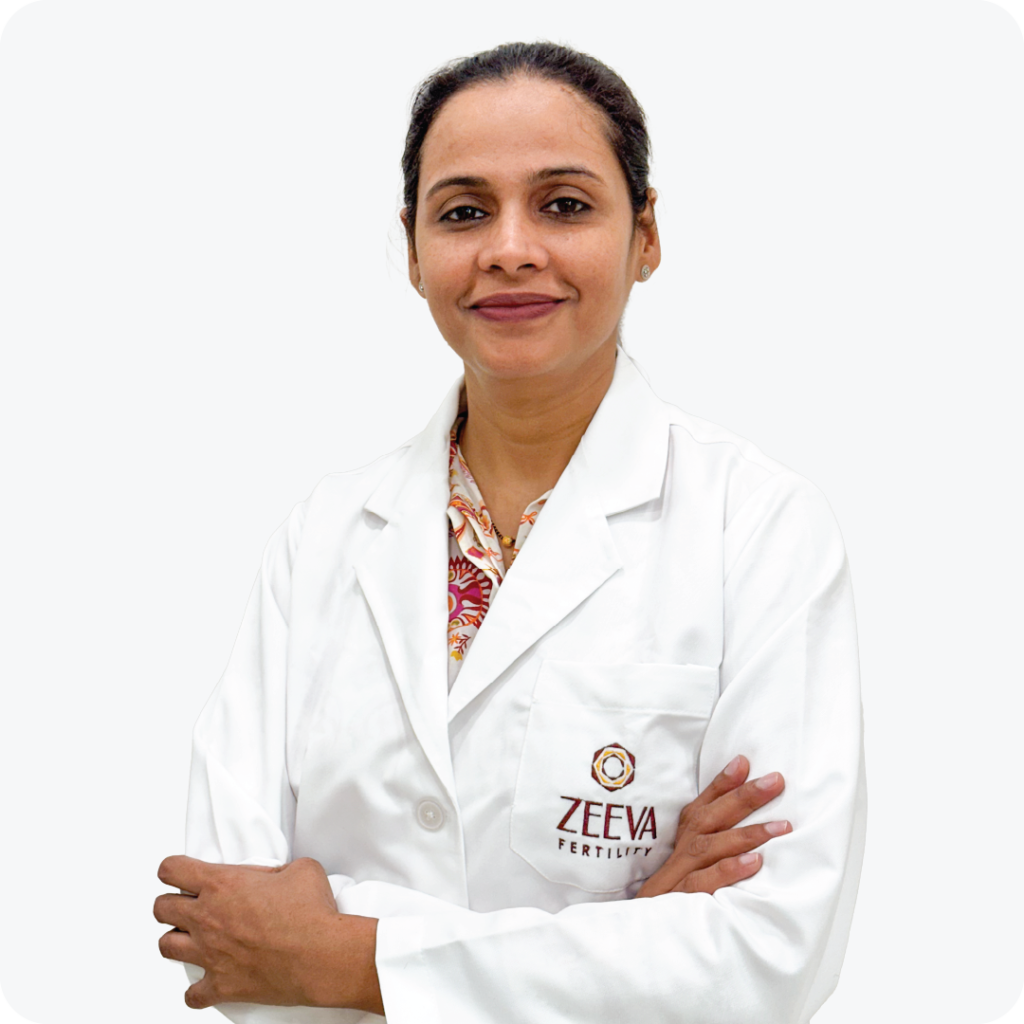
Dr. Aarthi Mani

Senior Consultant, Zeeva Fertility
MBBS – Thoothukudi Government Medical College & Hospital (Tamil Nadu Dr. MGR University) • MS (Obstetrics & Gynaecology) – Sri Ramachandra Medical College & Research Institute (Gold Medalist) • FNB (Fellowship in IVF & Reproductive Medicine) – NOVA IVF
16+ years of experience

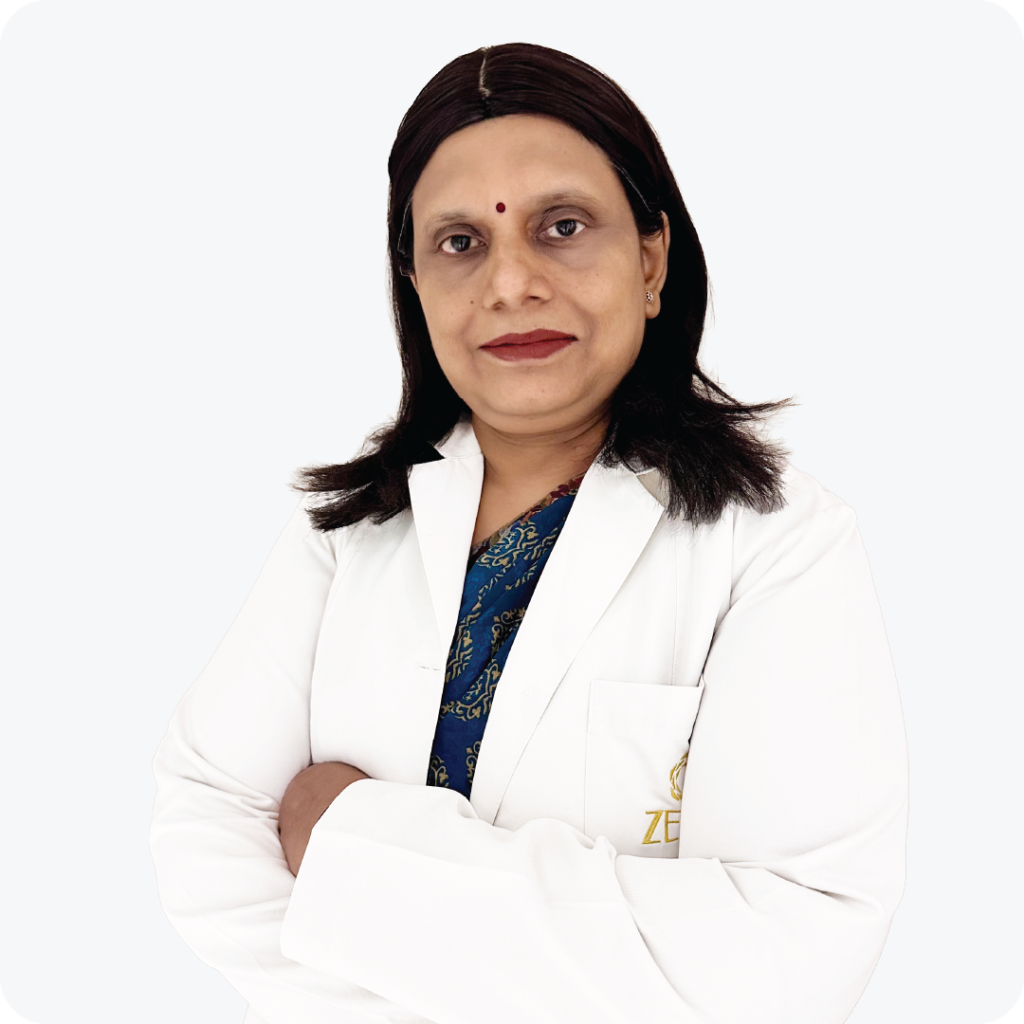
Dr. Shuchi Lakhanpal Kalia

Senior Fertility Specialist
MBBS - Gold Medalist • MS in Obstetrics and Gynaecology - Delhi University • DNB in Obstetrics and Gynaecology • Diploma in Clinical ART • Fellowship in Minimal Access Surgery.
Available at:
10+ Years Experience

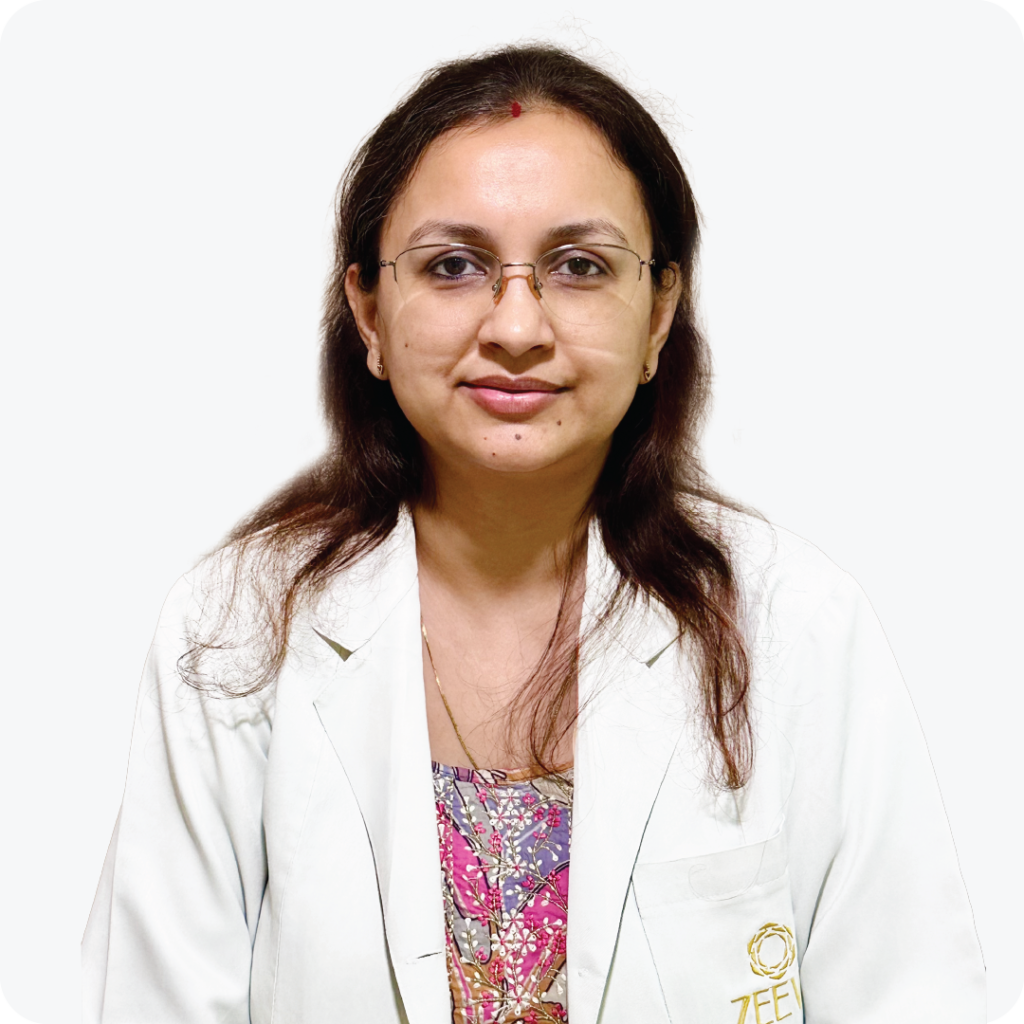
Dr. Nidhi Tripathi

Fertility & IVF Specialist
MBBS and MS in Obstetrics & Gynaecology from GSVM Medical College, Kanpur. • Diploma in Clinical ART through the Indian Fertility Society Fellowship Programme, securing 2nd position. • Fellowship in Reproductive Medicine from IIRFT, New Delhi; recognised as the Second Best Clinical IFS Fellow. • Trained in Gynaecological Endoscopy and completed national-level clinical skill development programmes. • Actively participates in academic activities and served as Faculty at AaKRITI – Understanding on Perinatology in 2024.
17+ Years Experience

Dr. Shipra Gupta

IVF & Infertility Specialist
M.B.B.S. VMMC & Safdarjung Hospital, New Delhi (2009) • Diploma (D.G.O.) in Obstetrics and Gynaecology VMMC & Safdarjung( 2011) • M.D. in Obstetrics and Gynaecology VMMC& Safdarjung Hospital, New Delhi (2014) • FOGSI certified Fetal medicine specialist Apollo hospitals( 2014) • Basic and Advanced Laparoscopy at AIIMS, New Delhi (2015) • Fellowship in Pelvic Floor Reconstructive surgeries and Minimal Invasive Gynecology at Scripps Clinic, San Diego, U.S.A (2016) • Fellowship in Reproductive Medicine and ART Max Hospital, New Delhi (2018)
Available at:
16+ Years Experience

Dr. Snehal Shah Mahajan

Consultant, Zeeva Fertility
MBBS – ACPM Medical College, Mumbai (2004) • Diploma in Obstetrics & Gynaecology (DGO) – CPS Mumbai (2010) • MBA in Healthcare Management – Sikkim Manipal University (2015) • Certificate Course in Infertility (2021)
Available at:
12+ Years Experience

Dr. Mayank Sharma

Associate Consultant, Zeeva Fertility
MBBS – NKPSIMS & Lata Mangeshkar Hospital, Nagpur • DGO – MVJ Medical College & Research Centre, Bengaluru • Fellowship in Reproductive Medicine – IIRFT, New Delhi
7+ Years Experience

Dr. Avnika Kapoor

Consultant, Zeeva Fertility
MBBS – Bharati Vidyapeeth Deemed University, Pune • MS (Obstetrics & Gynaecology) – Bharati Vidyapeeth Deemed University, Pune • Fellowship in Reproductive Medicine – IIRFT, Delhi • Cosmetic Gynaecology – ILAMED, Delhi • Fellowship in Gynae Ultrasound – Randhawa Institute, Delhi
Available at:
7 years of experience

Dr. Ayushi Bhardwaj

IVF & Fertility Specialist
MBBS • MS (Obstetrics & Gynaecology) • DNB • FMAS • Fellowship-trained IVF Specialist
10+ Years Experience

Dr Deepika Mann

Associate - IVF Consultant
MBBS from K.S. Hegde Medical Academy, Mangalore • M.S from jjmmc, Davangere,karnataka • Fellowship in Reproductive Medicine from International Fertility Centre, Delhi
Available at:

— Our Centres

Quality Fertility Care, Now Near You

Our cutting-edge fertility centres across Delhi NCR — Noida, Delhi, Ghaziabad and Greater Noida

Zeeva Fertility, Sector 63, Noida

H 1A, 37, H Block, Sector 63, Noida, Uttar Pradesh 201301

(+91) 7669381393

10 am - 6 pm

Zeeva Fertility in South Extension, Delhi

3rd Floor, M-2, South Extension II, Block M, New Delhi, Delhi 110049

(+91) 7669381393

10 am - 6 pm

Zeeva Fertility, Sector 104, Noida

Zeeva Clinic, HA 103A, First Floor, Sector 104, Noida, Uttar Pradesh 201304

(+91) 7669381393

11 am - 1 pm & 5 am - 9 pm
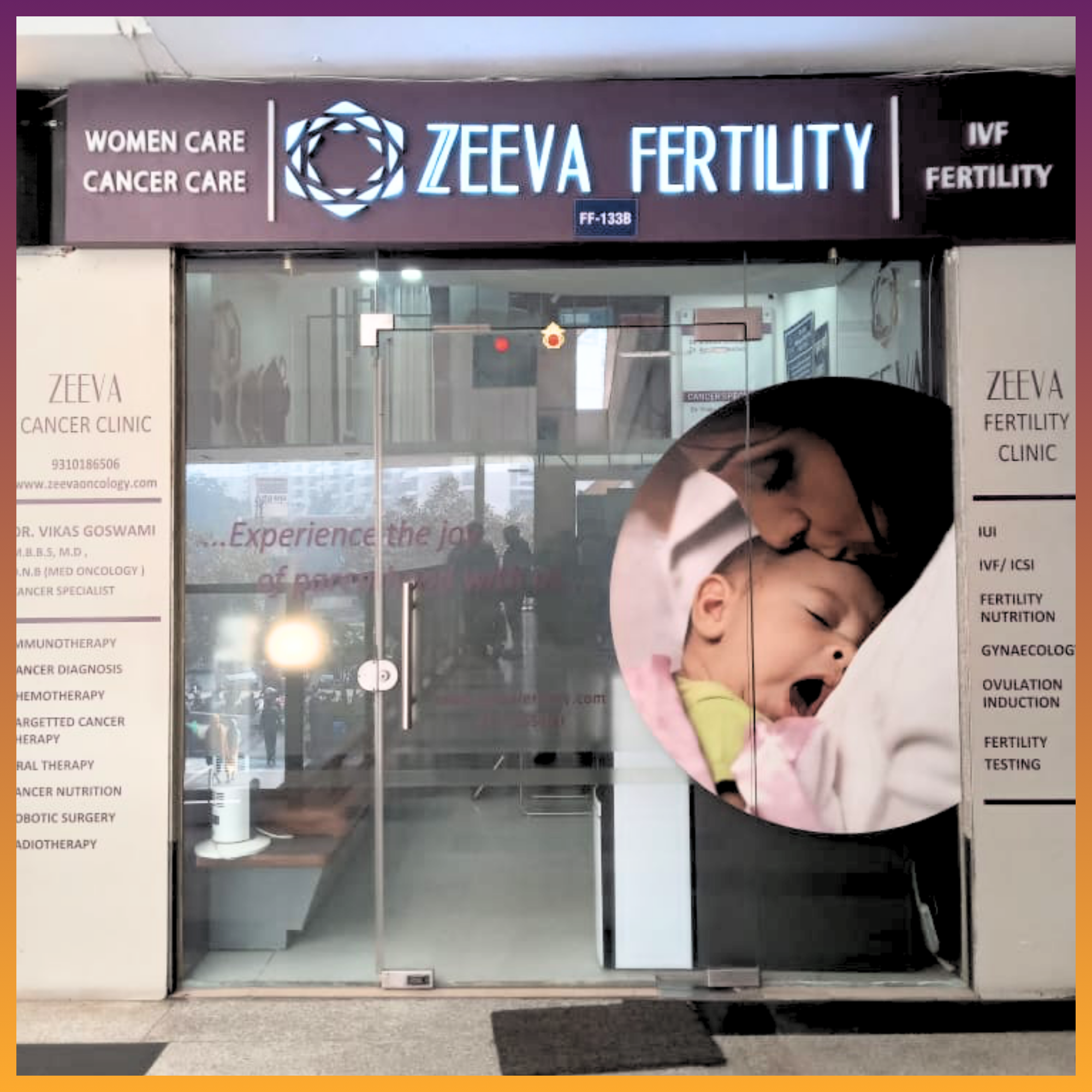
Greater Noida to Gaur City 1 Greater Noida West

Zeeva Fertility, 9th Floor, NH-3, GH 01, Gaur City 1, Sector 4, Greater Noida west, Ghaziabad, Uttar Pradesh 201009

(+91) 7669381393

10 am - 1 pm
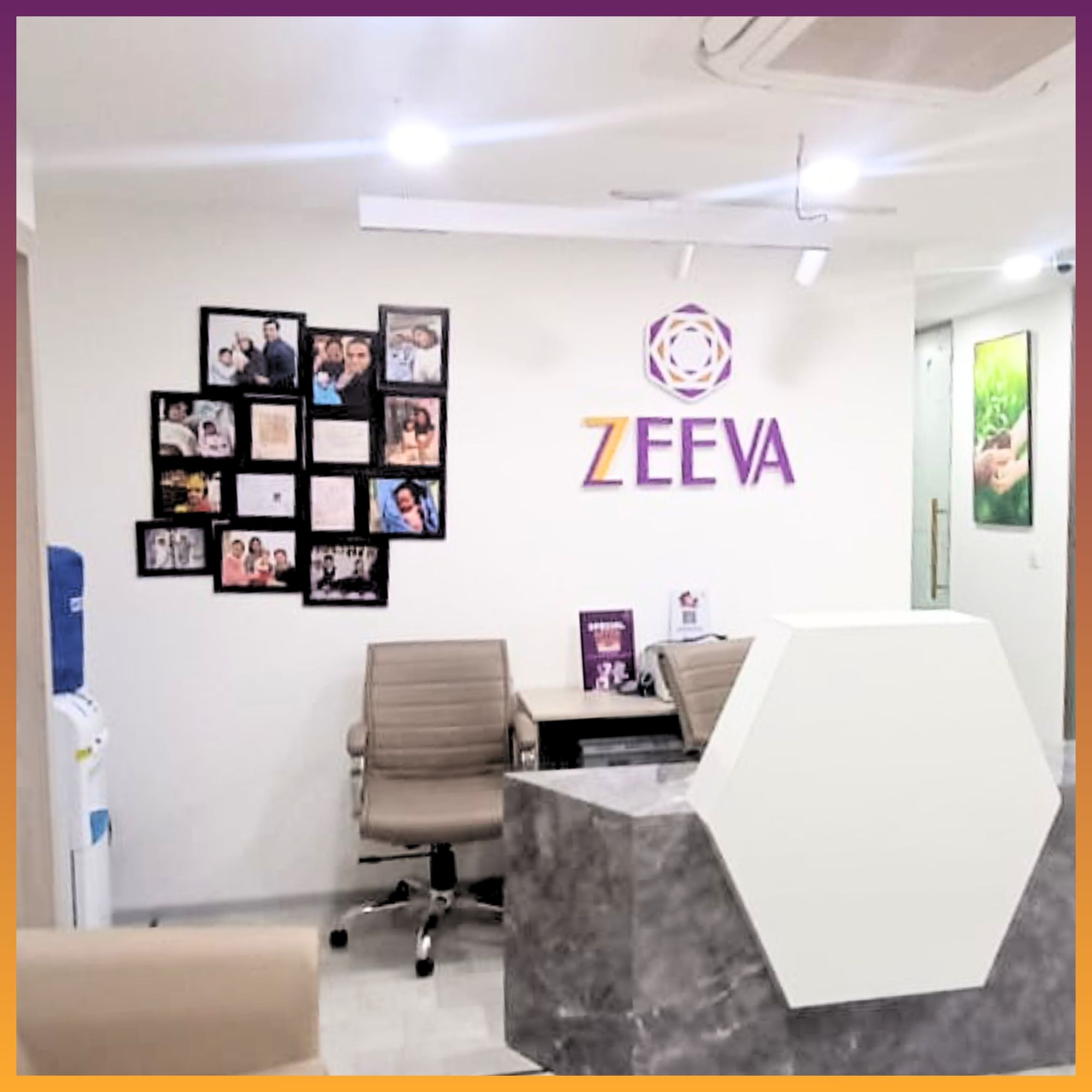
Zeeva Fertility in RDC, Ghaziabad

District Centre, RDC, Sector 15, Sector 10, Raj Nagar, Ghaziabad, Uttar Pradesh 201002

(+91) 7669381393

2 pm - 5 pm
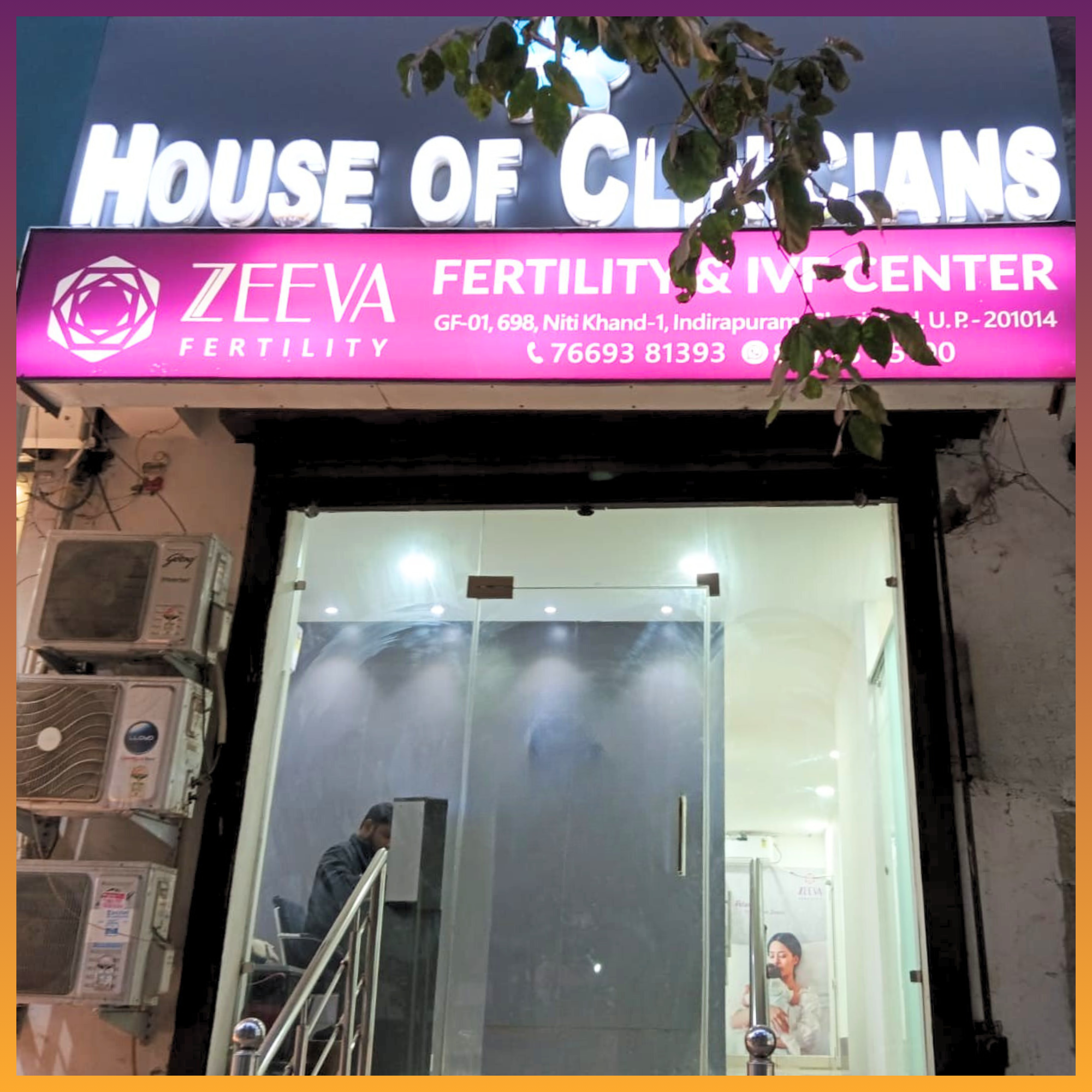
Zeeva Fertility in Indirapuram, Ghaziabad

GF-01, 698, Niti Khand I, Indirapuram, Ghaziabad, Uttar Pradesh 201014

(+91) 7669381393

6 pm - 8 pm

What our patients are saying

Failed IVF

Natural Pregnancy

IVF

Tubal Blockage

Low AMH

IVF

Failed IVF

Ready to take the next step?

Talk to a Zeeva specialist — free, no pressure, clear options.

— Common questions

Fertility Questions, Answered

What are the common causes of female infertility?

Common causes include PCOS, endometriosis, blocked fallopian tubes, hormonal imbalances, and age-related decline in egg quality.

If you are under 35 and have been trying for 12 months without success, or above 35 and trying for 6 months, it is advisable to seek consultation.

Yes. Many conditions can be treated with medication, lifestyle changes, or assisted reproductive techniques like IUI and IVF.

Yes. Fertility declines with age, especially after 35, due to reduced egg quality and quantity.

No. Treatment depends on the underlying cause. Many women conceive with simpler treatments before IVF is considered.

Most treatments are minimally invasive and well-tolerated. Some procedures may cause mild discomfort.

Yes. Maintaining a healthy weight, balanced diet, stress management, and avoiding smoking/alcohol can improve outcomes.

Hormonal tests, ultrasound, ovulation tracking, and sometimes advanced imaging or laparoscopy.

Yes, depending on the condition and response to treatment, natural conception may still be possible.

It varies depending on the diagnosis and treatment plan, ranging from a few weeks to a few months.

Ready to take the next step?

Take the first step toward understanding your fertility and exploring the right treatment options. Our specialists are here to guide you with care and expertise.